Monochromatic flooring designs have maintained a persistent presence in architectural history, transitioning from classical stone installations to modern polymer-based materials. In contemporary commercial design, the contrast of geometric patterns serves both aesthetic and functional purposes, directing pedestrian traffic and defining spatial zones. High-performance vinyl solutions now replace traditional ceramic and marble due to weight limitations, acoustic requirements, and installation efficiency. When sourcing black and white tile vinyl flooring for commercial projects, architectural specifiers and procurement managers must analyze structural composition, wear layer resilience, and dimensional stability to ensure long-term performance.
For B2B buyers, distributors, and contractors, choosing the correct floor involves balancing aesthetic requirements with performance metrics. TAB Flooring manufactures resilient solutions engineered to withstand heavy foot traffic while preserving visual clarity. This analysis explores the material science, manufacturing standards, and installation variables that affect the longevity of contract-grade flooring solutions.
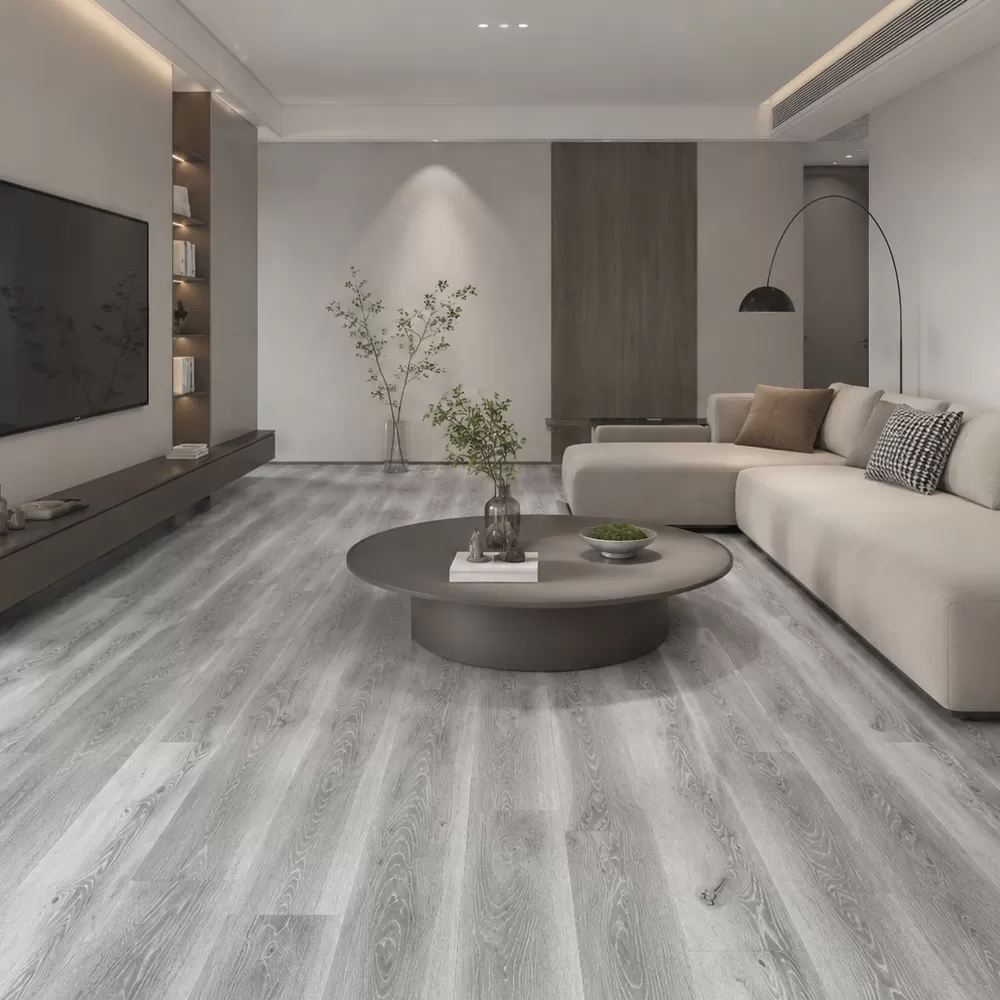
Material Architecture: Comparing SPC and LVT Cores for Black and White Tile
Vinyl Flooring
The performance of resilient tile depends heavily on its core construction. Resilient flooring generally falls into two categories: Stone Plastic Composite (SPC) and Luxury Vinyl Tile (LVT). Each option offers distinct mechanical properties that suit different subfloors and environmental conditions.
Luxury Vinyl Tile (LVT) and Flexibility
Traditional LVT consists of multiple layers of polyvinyl chloride (PVC) resin mixed with plasticizers, stabilizers, and calcium carbonate filler. This composition yields a flexible tile that conforms well to minor subfloor imperfections. Key attributes of LVT in monochromatic designs include:
Underfoot Comfort: The flexible core provides superior compliance and shock absorption, making it suitable for retail spaces where employees stand for long periods.
Acoustic Performance: Flexible PVC inherently dampens impact sound transmission better than rigid materials, which helps maintain lower ambient noise in multi-family housing and office corridors.
Adhesive Stability: LVT is typically specified as dry-back (glue-down) flooring, which minimizes lateral movement when secured with high-yield wet-set adhesives.
Stone Plastic Composite (SPC) and Dimensional Stability
SPC represents an advancement in core chemistry, compounding calcium carbonate (limestone powder) with PVC stabilizers at ratios often exceeding 60% mineral content. This creates a highly rigid, dense core. For black and white tile vinyl flooring, the SPC core offers specific performance benefits:
Indentation Resistance: The high mineral density provides exceptional resistance to static loads, such as heavy retail displays, hospital beds, and office furniture, measured under ASTM F1914 standards.
Thermal Stability: SPC exhibits a very low coefficient of thermal expansion. In large areas with extensive glazing, the material resists expansion and contraction when exposed to direct sunlight, reducing the risk of joint separation.
Click-Lock Integrity: The rigid core allows for precise profiling of mechanical locking joints (such as Uniclic or Valinge systems), which ensures tight seams and prevents the accumulation of dirt along the contrasting light and dark tile joints.
Performance Characteristics and Industry Standards
Specifying materials for public and commercial spaces requires verification of physical properties against standardized testing protocols. Resilient tile flooring must meet international building codes regarding wear, safety, and environmental impact.
Wear Layer Formulation and Scratch Resistance
The longevity of a high-contrast black and white pattern depends entirely on the protection of its print film. Micro-scratches on dark tiles can scatter light, causing the black portions to appear gray or hazy over time. Consequently, the thickness and composition of the wear layer are decisive factors.
Commercial specifications generally require a minimum wear layer of 0.5mm (20 mil) for standard commercial traffic and 0.7mm (28 mil) for heavy-use environments like schools and airports. TAB Flooring applies a cross-linked polyurethane (PU) coating infused with ceramic micro-beads or aluminum oxide particles. This topcoat provides a matte finish that limits specular reflection, helping to hide minor abrasions while protecting the underlying pigmented design from mechanical wear.
Slip Resistance and Safety Parameters
Maintaining safety underfoot is a priority for commercial interiors. Resilient floor tiles are tested using different regional standards:
DIN 51130 (Ramp Test): An R9 or R10 rating is typically required for dry indoor public spaces, ensuring sufficient slip resistance under normal walking conditions.
ASTM D2047 (James Machine): A static coefficient of friction (SCOF) of 0.5 or greater is the standard benchmark for slip-resistant walk surfaces, with 0.6 or higher recommended for accessible routes under ADA guidelines.
Acoustic Performance and Integrated Underlayments
Unlike natural stone or ceramic tile, vinyl flooring can be engineered with acoustic backing to reduce impact noise between building levels. Integrated underlayments made from Irradiated Cross-Linked Polyethylene (IXPE) or Ethylene-Vinyl Acetate (EVA) provide sound dampening. Sourcing tiles with a pre-attached 1.0mm to 1.5mm IXPE backing achieves high Impact Insulation Class (IIC) ratings, which simplifies the installation workflow by removing the need for separate acoustic membranes.
Manufacturing Accuracy: Preventing Pattern Drift and Color Degradation
Manufacturing monochromatic floor patterns presents unique quality control challenges. The sharp contrast between pure white and deep black tiles leaves no room for manufacturing errors, which would be less noticeable in multi-colored wood grain patterns.
Precision Profiling and Edge Treatments
During high-speed extrusion and cutting, minor dimensional variations can occur. If the squareness of a tile varies by even 0.1mm, a visible gap or alignment shift can appear across a large installation grid. TAB Flooring utilizes automated profiling equipment with real-time optical monitoring to maintain strict cutting tolerances. Specifiers can choose between two edge profiles:
Square Edge: This profile allows the tiles to butt tightly together, creating a flat, continuous surface that resembles a poured terrazzo or seamless stone floor. This is often preferred for clinical environments where dust accumulation in joints must be minimized.
Micro-Bevel Edge: A subtle chamfered edge defines each tile individual block, mimicking traditional masonry work. The bevel also helps mask minor subfloor height variations (lippage).
UV Stabilizers and Pigment Integrity
White PVC compounds are susceptible to photolytic degradation when exposed to ultraviolet radiation, which can cause them to turn yellow or beige over time. To prevent this, UV stabilizers—specifically hindered amine light stabilizers (HALS) and high-purity titanium dioxide (TiO2)—must be integrated into both the wear layer and the decorative print film. This formulation helps protect the white squares from UV-induced discoloration, while high-grade carbon black pigments ensure the dark squares retain their deep tone without fading.
Installation Methodologies for Commercial Subfloors
The choice of installation method depends on the project budget, subfloor condition, and expected traffic patterns. Proper preparation is necessary to prevent telegraphing, where subfloor imperfections show through the finished surface.
| Installation Method | Suitable Core Type | Primary Advantages | Subfloor Requirements |
|---|---|---|---|
| Glue-Down (Dry-Back) | LVT (2.0mm - 3.0mm) | High lateral stability; easy replacement of individual tiles; no risk of joint failure under heavy rolling loads. | Must be flat, smooth, and dry (ASTM F1869 calcium chloride test under 3 lbs/1000 sq.ft.). Self-leveling underlayment is often required. |
| Click-Lock (Floating) | SPC (4.0mm - 6.0mm) | Rapid installation; conceals minor subfloor cracks; no adhesive cure time required before foot traffic. | Subfloor variation must not exceed 3/16 inch over a 10-foot radius. Requires flat, structurally sound base. |
| Loose Lay | Heavy LVT (5.0mm) | Fastest installation; easy access to underfloor utilities; reusable in temporary commercial spaces. | Requires a stable, dust-free subfloor with perimeter pressure-sensitive adhesive application. |
Before installing black and white tile vinyl flooring, the subfloor must be checked for moisture emissions. Excess moisture can cause adhesive failure in glue-down installations or support mold growth beneath floating floors. For high-moisture concrete slabs, using a dedicated moisture vapor barrier or specifying an SPC floor with an integrated waterproof underlayment is a practical approach.
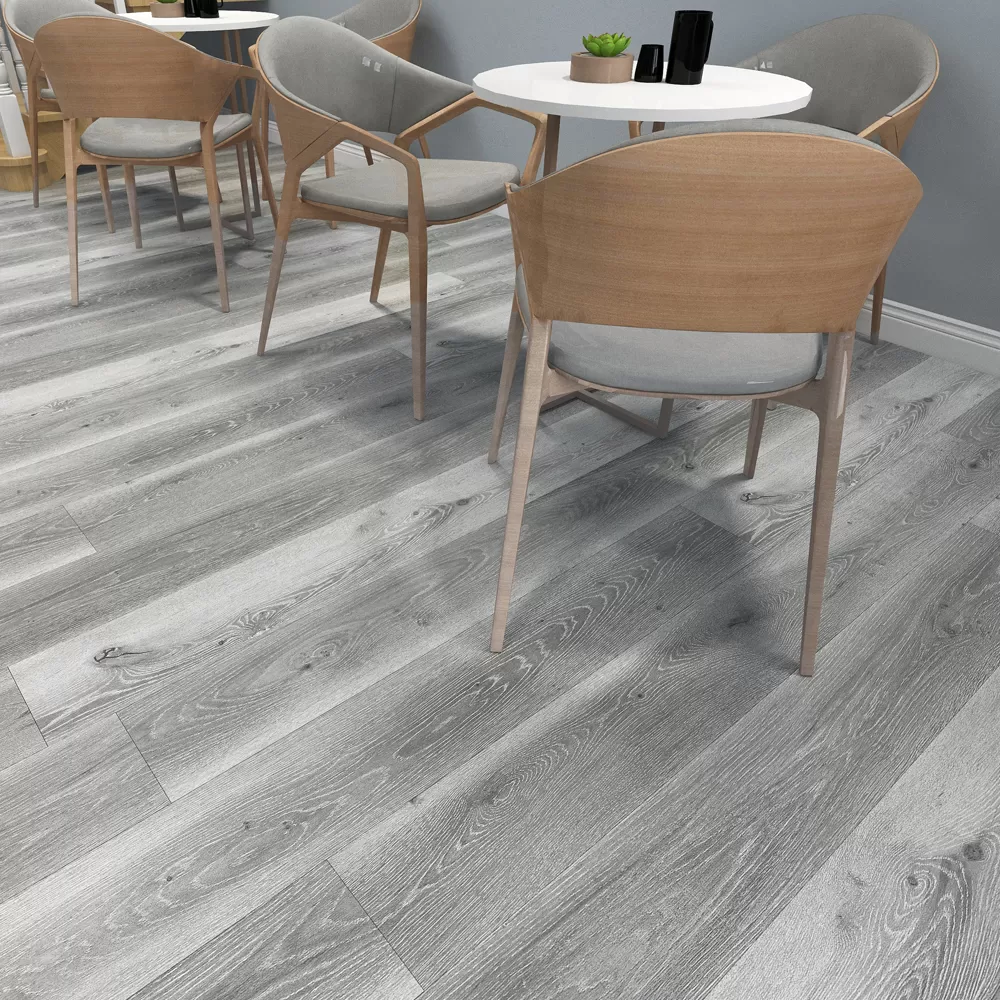
B2B Procurement and Custom Manufacturing Profiles
Sourcing commercial flooring involves managing lead times, verifying regulatory compliance, and confirming custom design options. For architects, contractors, and international distributors, partnering with a manufacturer capable of custom production run adjustments is highly beneficial.
TAB Flooring provides tailored solutions for commercial projects, offering customization in several areas:
Custom Dimensions: Options range beyond standard 12"x12" and 18"x18" configurations to include 12"x24" rectangles and larger format 24"x24" panels to suit various space designs.
Wear Layer Adjustments: Clients can specify wear layer thicknesses from 0.3mm to 0.7mm based on project-specific traffic expectations and budget guidelines.
Custom Surface Textures: Options include smooth matte finishes, light sand embossing, or registered-in-register (EIR) textures to balance aesthetic goals with safety requirements.
All production runs undergo rigorous testing for volatile organic compounds (VOCs). Meeting standards like FloorScore or GreenGuard Gold ensures that the flooring supports healthy indoor air quality, which is vital for education, healthcare, and office projects aiming for green building certifications.
Inquiry Guide for Project Specifiers
Selecting the right flooring for a commercial project requires matching technical performance with aesthetic intent. TAB Flooring works closely with procurement departments, global distributors, and design professionals to deliver resilient flooring that meets strict project requirements.
To receive technical datasheets, physical material samples, or a detailed quotation for an upcoming development, please submit your project specifications to our contract sales division. Our team can assist with product selection, core density advice, and adhesive recommendations for specialized subfloor conditions.
Frequently Asked Questions
Q1: What prevents the white tiles of the flooring from yellowing over time?
A1: TAB Flooring integrates titanium dioxide and ultraviolet light stabilizers (HALS) into both the clear wear layer and the printed design film. This formulation absorbs and disperses UV radiation, protecting the white pigments from the photochemical reactions that cause yellowing in standard vinyl products.
Q2: Is SPC or LVT better for a black and white tile pattern in a retail space with heavy rolling displays?
A2: SPC is generally preferred for environments with heavy rolling loads. Its rigid core, composed of high-density stone-plastic composite, resists static and dynamic indentations much better than flexible LVT. This prevents the high-contrast tiles from developing unsightly depressions or wear spots under heavy store fixtures.
Q3: Can black and white tile vinyl flooring be installed over existing ceramic tile?
A3: Yes, particularly if you specify a rigid core SPC flooring. The rigidity of the SPC core bridges minor grout lines and subfloor imperfections, preventing them from telegraphing to the surface. However, wide or deep grout joints should still be filled with a patch compound to ensure a stable base.
Q4: How does the slip resistance of this vinyl tile compare to natural polished marble or ceramic tile?
A4: Polished marble and glazed ceramic tiles can become very slippery when wet. In contrast, our vinyl tiles feature textured polyurethane surface treatments that provide reliable slip resistance, meeting R9 and R10 DIN standards, making them a safer choice for commercial entranceways and public corridors.
Q5: What are the minimum order quantities (MOQ) for custom sizes and wear layers?
A5: Minimum order quantities depend on the level of customization required (such as custom tile sizes, specific core thicknesses, or specialized backing materials). Generally, B2B production runs start at 1,500 square meters. Please contact our sales team with your project details to discuss specific options.