For B2B procurement managers, architects, and main contractors, selecting commercial-grade floor coverings is a decision that impacts both immediate project budgets and long-term operational costs. When planning large-scale commercial builds, the demand for durable commercial-grade lvt flooring has reached a level where buyers must look beyond surface aesthetics. The flooring must withstand heavy rolling loads, resist harsh maintenance chemicals, and maintain its structural integrity under varying environmental conditions.
Selecting the wrong product can lead to premature failure, leading to costly business interruptions, high replacement expenses, and potential safety liabilities. To meet these rigorous criteria, leading manufacturers like TAB Flooring focus on strict raw material selection and advanced processing technologies. This guide analyzes the structural parameters, manufacturing variables, common installation issues, and performance standards that determine the success of a commercial installation.
Understanding the Multi-Layer Engineering of lvt flooring
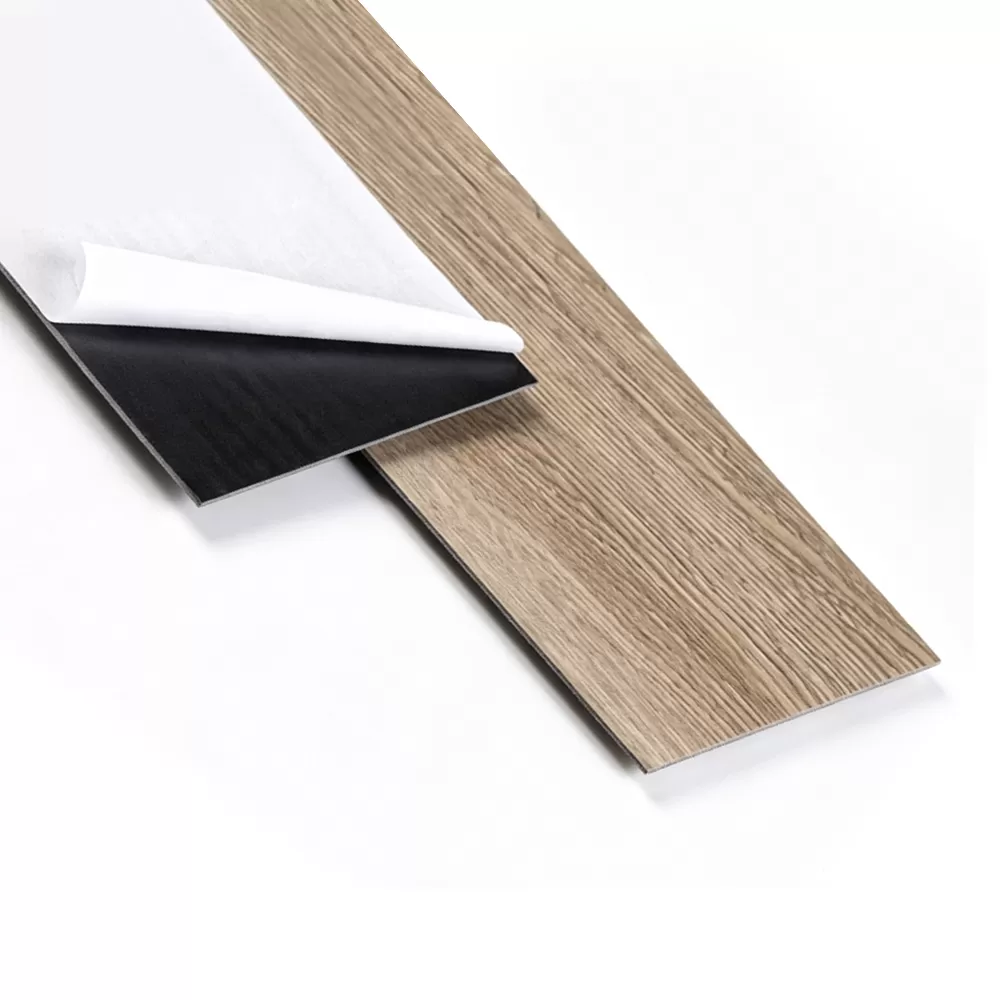
The performance of resilient vinyl tile lies in its multi-layer construction. Rather than behaving as a single homogeneous sheet, each layer is engineered to perform a specific mechanical or physical function. Understanding how these layers interact is vital for writing accurate project specifications.
The Wear Layer: Thickness and Topcoat Formulations
The wear layer is the first line of defense against mechanical abrasion. Its thickness is measured in millimeters or mils (where 1 mil equals approximately 0.0254 mm). For light commercial environments, a 0.3 mm (12 mil) wear layer may suffice, but for high-traffic environments such as retail corridors, hospitals, and educational facilities, a minimum wear layer of 0.55 mm (20 mil) or 0.7 mm (28 mil) is required.
However, thickness alone does not dictate scratch and stain resistance. The chemical formulation of the factory-applied topcoat is equally significant. Modern high-performance vinyl utilizes a cross-linked polyurethane (PUR) coating that is cured using ultraviolet (UV) light. Many topcoats are reinforced with micro-ceramic beads or aluminum oxide particles. These microscopic additives increase the surface hardness, preventing micro-scratches from dulling the floor's gloss over time and reducing the need for sacrificial acrylic polishes.
Core Composition and Plasticizer Ratios
The core layer provides the structural mass of the product. It consists of a compound containing polyvinyl chloride (PVC) resin, mineral fillers (typically calcium carbonate), stabilizers, and plasticizers. The ratio of these components is a decisive factor in how the tile responds to pressure and temperature.
Plasticizer Content: Plasticizers give the PVC core its flexibility and impact resistance. If the plasticizer ratio is too low, the product becomes brittle and prone to cracking during installation or under heavy impact. If it is too high, the core becomes too soft, resulting in poor static load resistance. High-quality products utilize non-phthalate plasticizers (such as DOTP) to ensure safety and compliance with indoor air quality regulations.
Calcium Carbonate (Filler) Ratio: The inclusion of mineral fillers increases the density and compressive strength of the core. However, an excessive concentration of filler at the expense of PVC resin reduces the cohesive strength of the tile, making it brittle and shortening its useful life.
Backing Options for Sound Dampening
The backing layer forms the foundation of the tile and is designed to sit directly on the adhesive bed or subfloor. In addition to contributing to dimensional stability, the backing plays a major role in acoustic performance. In multi-family residential developments and commercial offices, impact sound transmission is a major concern.
Integrated underlayment backings, such as irradiated cross-linked polyethylene (IXPE) or ethylene-vinyl acetate (EVA), are often pre-attached to click-system or loose-lay products. These materials act as decoupling membranes, dampening footfall noise and improving the Impact Insulation Class (IIC) and Sound Transmission Class (STC) ratings of the floor assembly. For dry-back (glue-down) installations, specifying a high-density acoustic underlayment sheet or using specialized acoustic adhesives can help achieve similar sound mitigation goals.
Manufacturing Process and Quality Assurance Standards
The manufacturing method determines the long-term physical performance of the finished tile. As a manufacturer, TAB Flooring utilizes precise hot-pressing methods to fuse these layers under controlled temperature and pressure. This approach minimizes internal stresses that can lead to dimensional instability in the field.
Hot Press vs. Continuous Pressing
There are two primary methods used to laminate the structural layers of vinyl tile: hot pressing and continuous pressing.
Hot Pressing (Batch Processing): In this method, the backing, core, print film, wear layer, and topcoat are stacked and placed into a multi-platen press. High heat and pressure are applied over a set cycle, allowing the polymers to melt and fuse together into a single, cohesive sheet. This process allows for deeper embossing patterns and ensures excellent bonding strength between layers, drastically reducing the risk of delamination.
Continuous Pressing (Calendering): This method feeds the raw materials through a series of heated rollers to continuous lamination. While highly efficient for high-volume production, the tension applied during continuous rolling can introduce residual stresses into the vinyl sheet. If not properly relaxed, these stresses can cause the finished tiles to shrink or curl over time.
Dimensional Stability and Thermal Expansion
Dimensional stability is one of the most significant performance metrics for resilient flooring. The international testing standard EN ISO 23999 (and its American counterpart ASTM F2199) measures the dimensional change of a tile after being subjected to thermal cycling (typically 6 hours at 80°C). The maximum allowable change for high-quality commercial tile is usually less than 0.25% of the total length.
To achieve this level of stability, manufacturers include a thin glass fiber reinforcement layer within the PVC core during lamination. This fiberglass carrier sheet acts as a stabilizing matrix, restricting the expansion and contraction of the PVC compound when exposed to direct sunlight or seasonal temperature fluctuations.
Environmental Certifications and VOC Standards
With green building rating systems like LEED and BREEAM becoming standard in commercial specifications, indoor air quality is a key consideration. Resilient flooring can be a major source of Volatile Organic Compounds (VOCs) if poor-quality raw materials or recycled PVC containing heavy metals are used.
B2B specifiers should demand certified proof of low VOC emissions. Standard certifications include:
FloorScore® Certification: Ensures compliance with the strict indoor air quality emissions limits of California Section 01350.
Phthalate-Free Verification: Confirms that no orthophthalate plasticizers have been added to the compound.
ISO 14001: Verifies that the manufacturer operates under an established environmental management system.
Solving Common Field Failures in Commercial Projects
Understanding the causes of installation and performance failures allows project managers to implement preventive measures during the design and subfloor preparation phases.
Subfloor Telegraphing
Telegraphing occurs when imperfections, trowel marks, joint lines, or debris on the subfloor transfer through the adhesive bed and become visible on the surface of the installed vinyl. Because vinyl is flexible, it conforms to the contours of the underlying substrate under foot traffic and static loads.
Prevention Strategy: The subfloor must be prepared in accordance with ASTM F710. This requires applying a high-quality cementitious patch or self-leveling underlayment to fill all cracks, joints, and depressions. The surface must be sanded smooth and thoroughly vacuumed before adhesive application. For projects where subfloor preparation is constrained by tight schedules, specifying a thicker, more rigid core product can help bridge minor subfloor irregularities.
Gapping and Cupping due to Thermal Expansion
Gapping occurs when tiles shrink, leaving visible spaces between joints. Cupping happens when the edges of the tile rise higher than the center, creating a concave surface. Both issues are typically driven by extreme temperature changes or poor thermal conditioning of the space before and during installation.
Prevention Strategy: HVAC systems must be fully operational, and the indoor environment must be maintained between 18°C and 29°C (65°F to 85°F) for at least 48 hours prior to, during, and after installation. Furthermore, the flooring material must be acclimated in the installation space for a minimum of 48 hours, unpacked and spread out in small stacks, to allow the material to reach equilibrium with the ambient temperature and humidity.
Adhesive Failure and Moisture Issues
High moisture levels in concrete slabs are a leading cause of adhesive emulsification. When excess water vapor rises from the concrete, it raises the pH level at the adhesive line, breaking down the chemical bonds of water-based acrylic adhesives. This results in tiles shifting, bubbling, or lifting at the corners.
Prevention Strategy: Moisture testing is mandatory. Specifiers should require testing via the relative humidity (RH) in-situ probe method (ASTM F2170) or the anhydrous calcium chloride moisture vapor emission rate (MVER) method (ASTM F1869). If RH levels exceed the adhesive manufacturer’s limits (often 85% to 90% RH), a moisture mitigation primer or an epoxy moisture barrier must be applied to the concrete slab before installation. Alternatively, using a high-moisture resistant adhesive rated up to 99% RH can prevent system failure.
Specifying the Right Floor for Specific Commercial Sectors
Selecting the correct type of lvt flooring depends heavily on the specific mechanical and chemical exposures of each environment.
| Sector | Key Performance Priority | Recommended Specifications | Installation Method |
|---|---|---|---|
| Healthcare & Senior Living | Infection control, rolling load resistance, underfoot comfort. | 0.7mm Wear Layer, specialized PU topcoat with antimicrobial properties, phthalate-free. | Glue-down (Dry-back) with wet-set adhesive for maximum rolling load support. |
| Retail & Hospitality | Aesthetics, slip resistance, rapid installation. | 0.55mm or 0.7mm Wear Layer, high-fidelity wood/stone visual films, textured embossing. | Loose-lay or click-system for quick overnight renovations. |
| Education & Offices | Acoustic insulation, scratch resistance, low maintenance costs. | 0.55mm Wear Layer, integrated IXPE backing (minimum 19dB sound reduction rating). | Click-system or glue-down with acoustic underlayment. |
Healthcare and Senior Living
In healthcare corridors, patient rooms, and senior living facilities, the flooring must support heavy rolling loads from hospital beds, wheelchairs, and equipment carts. A soft or poorly bonded tile will suffer from severe indentation and drag resistance. Furthermore, the floor must be highly resistant to iodine, medical chemicals, and frequent wet-mopping protocols. A glue-down installation using a hard-set adhesive is the standard specification here, ensuring there are no hollow spaces beneath the flooring where bacteria could breed.
Retail and Hospitality
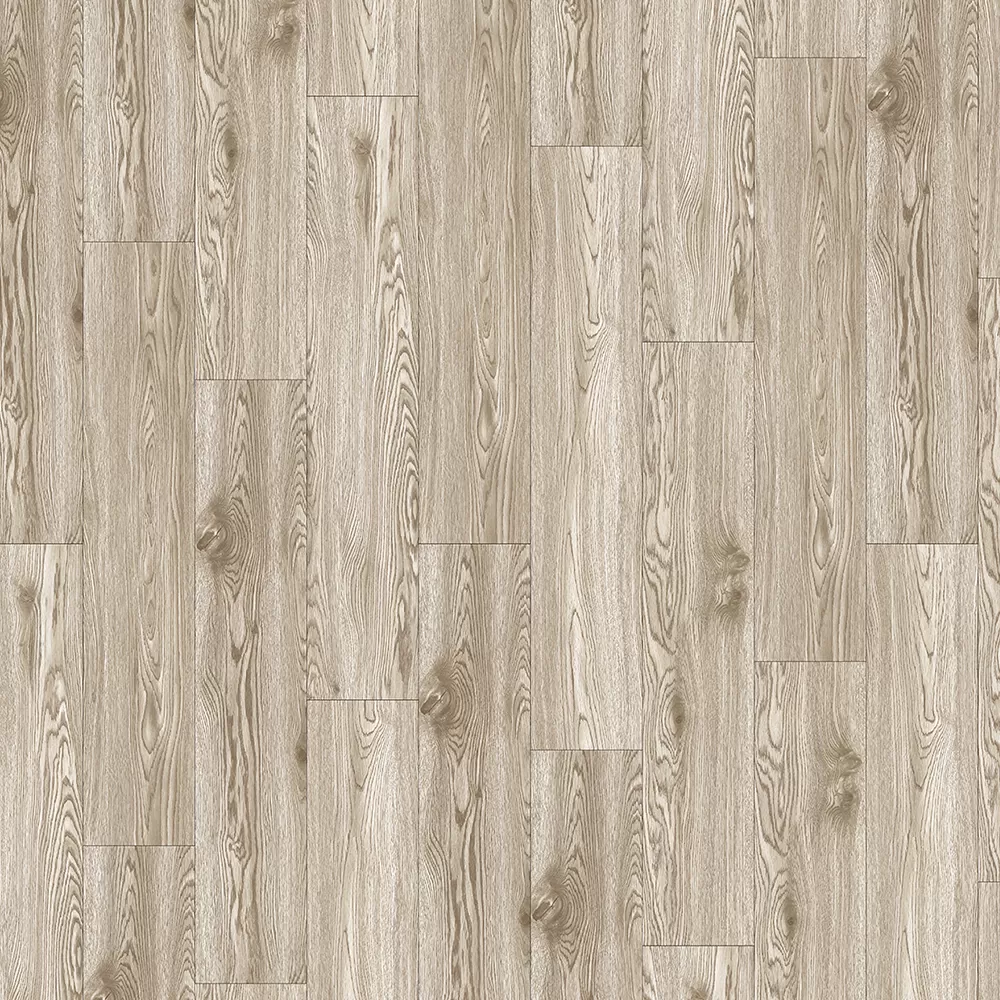
For retail boutiques, department stores, and hotel lobbies, visual appeal is crucial to the brand experience. Sourcing professionals look for high-definition print layers that replicate natural oak, marble, or slate without the high material and installation costs of the real materials. Since retail spaces frequently update their layouts, loose-lay and click systems are highly favored because they can be uninstalled and replaced without damaging the subfloor, minimizing downtime.
Education and Public Spaces
School corridors and university libraries experience high foot traffic. The main requirements here are durability and sound dampening. A 0.55 mm wear layer with a thick scratch-resistant topcoat is recommended to withstand the abrasive action of tracked-in sand and gravel. To maintain a quiet learning environment, combining the flooring with high-performance acoustic underlayment is standard practice to control both reflected room noise and transmitted impact sound.
Life-Cycle Cost Analysis (LCA) and Maintenance Protocols
When presenting flooring specifications to project developers, demonstrating a low life-cycle cost is highly persuasive. While carpet tile or sheet vinyl may have different initial purchase prices, high-quality luxury vinyl tiles offer exceptional financial performance over a 15-to-20-year building lifecycle.
Traditional flooring options often require periodic stripping, waxing, and polishing to maintain their appearance and protective seal. This maintenance routine is not only costly in terms of labor and materials, but it also releases VOCs and forces temporary facility closures. In contrast, modern luxury vinyl tile with a high-durability PUR coating requires only simple sweep-and-mop maintenance protocols. By eliminating the material and labor costs associated with waxing and stripping, commercial facilities can recoup the initial installation premium within the first three to five years of operation.
Frequently Asked Questions
Q1: What are the structural differences between SPC and standard lvt flooring?
A1: Stone Plastic Composite (SPC) features a rigid core made of approximately 70% calcium carbonate mixed with PVC stabilizer, making it highly resistant to indentation and temperature changes. Standard or traditional luxury vinyl tiles have a flexible PVC core, which offers superior underfoot comfort and sound absorption but is more sensitive to subfloor imperfections and thermal expansion.
Q2: How does wear layer thickness relate to commercial traffic ratings?
A2: The wear layer thickness directly determines the European (EN 685) and American (ASTM F1303) traffic classifications. A wear layer of 0.3mm is rated for light commercial use (Class 31). A 0.55mm wear layer is rated for general commercial use (Class 33), while a 0.7mm wear layer is suitable for heavy commercial or light industrial environments (Class 42/43) subject to severe traffic.
Q3: Can these products be installed over underfloor heating systems?
A3: Yes, most modern luxury vinyl tiles are compatible with hydronic or electrical underfloor heating systems embedded in the concrete slab. However, the surface temperature of the subfloor must not exceed 27°C (80°F). It is vital to use high-temperature resistant adhesives to prevent adhesive failure as the subfloor warms up.
Q4: What causes dimensional instability in vinyl products?
A4: Dimensional instability is typically caused by three main factors: inadequate acclimation before installation, the absence of a fiberglass stabilizing layer in the core, or extreme thermal variations combined with poor adhesive bonding. Selecting products manufactured with built-in fiberglass sheets helps prevent these issues.
Q5: What is the average lifespan of a commercial dry-back installation?
A5: A professionally installed, dry-back commercial floor with a 0.55mm or 0.7mm wear layer has an average service life of 15 to 25 years. The precise lifespan depends on the traffic volume, the adequacy of the subfloor preparation, and whether the recommended non-abrasive maintenance protocols are followed.
Conclusion and Procurement Support
Specifying commercial flooring requires a balanced approach that combines engineering performance, installation practicalities, and long-term financial viability. By understanding wear layer chemistry, core composition ratios, and the vital role of thorough subfloor preparation, commercial procurement teams can avoid common installation failures and ensure a long-lasting, high-performing installation.
For detailed product specifications, custom design options, or to request physical samples of our lvt flooring ranges, contact our commercial sales division. Please send your specific RFQ to TAB Flooring today.