In commercial architecture and interior design, selecting the appropriate flooring material requires a balance of visual appeal, durability, and practical maintenance. Traditional materials such as solid wood, ceramic, or carpet often present limitations in terms of moisture sensitivity, brittleness, or cleanliness. Consequently, lvt floor tiles have gained prominent traction across commercial projects. These modular vinyl products combine realistic natural patterns with structural stability, allowing them to withstand heavy foot traffic without deteriorating. TAB Flooring manufactures resilient flooring products engineered to meet these demanding specifications. Understanding the construction, mechanical performance, and maintenance requirements of lvt floor tiles is necessary to ensure long-term performance in high-traffic applications.
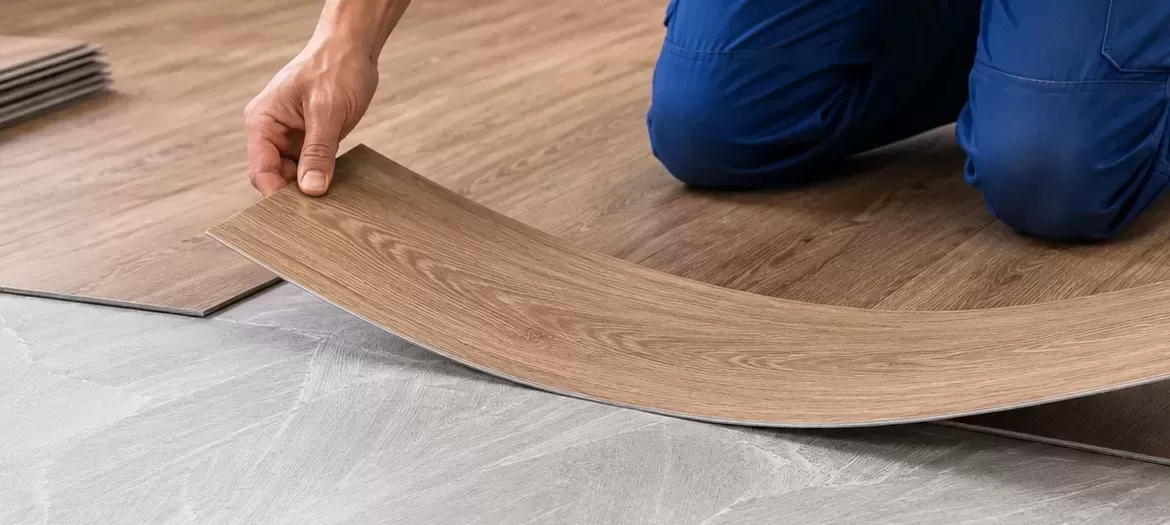
Structural Engineering of LVT Floor Tiles
To comprehend the performance of modern luxury vinyl, one must analyze its multi-layer construction. Each layer serves a specific functional purpose, contributing to the overall durability and dimensional stability of the assembly.
The uppermost component is the wear layer, typically treated with a factory-applied polyurethane coating. This layer often contains additives like microscopic ceramic beads or aluminum oxide particles to improve resistance to abrasion, scratching, and scuffing. For commercial applications, the thickness of this layer is a key indicator of product lifespan, with standards usually requiring a thickness between 0.55mm and 0.7mm. A robust wear layer protects the design integrity from heavy footfalls and the movement of furniture.
Beneath the protective wear layer lies the decorative print film. This film utilizes advanced high-resolution printing technologies to replicate the grain of natural timber, the cleft of slate, or the texture of concrete. Sophisticated manufacturing processes allow for embossed-in-register (EIR) finishes, where the surface texture aligns precisely with the underlying print pattern, creating an authentic tactile experience that mimics natural materials.
The core layer provides the necessary structural mass. Composed of virgin polyvinyl chloride (PVC) combined with plasticizers, stabilizers, and sometimes mineral fillers, this layer dictates the flexibility and impact resistance of the tile. In rigid variants, such as Stone Plastic Composite (SPC), the core contains a high percentage of calcium carbonate, which minimizes movement under temperature changes. TAB Flooring utilizes precise formulation controls during the compounding phase to ensure the core maintains high resistance to indentation.
The final element is the backing layer, which balances the tile and prevents curling. Some products integrate an acoustic backing, such as cross-linked polyethylene (IXPE) or natural cork, which aids in noise reduction and provides underfoot comfort.
Performance Characteristics and Commercial Applications
Commercial environments present distinct challenges that standard residential flooring cannot resolve. Specifying lvt floor tiles requires an evaluation of how these materials perform under real-world stresses.
Acoustic control is a primary concern in multi-story buildings, educational institutions, and healthcare facilities. Impact sound, such as footfalls or rolling carts, can create a disruptive environment if not managed. Resilient vinyl structures naturally absorb more impact sound than hard ceramic or stone. When specified with specialized acoustic backings, these products can achieve high Impact Insulation Class (IIC) ratings, reducing sound transmission through floor-ceiling assemblies and improving the indoor environmental quality.
Dimensional stability is another significant factor. Temperature fluctuations from heating and cooling systems can cause materials to expand and contract. High-quality modular vinyl incorporates glass fiber sheets within the core layer to reinforce the structural integrity. This prevents buckling at the seams and keeps the joints tight over years of use, avoiding potential trip hazards or moisture paths.
Moisture resistance represents a major advantage over natural wood and laminate. While the tiles themselves are impervious to water, preventing moisture from penetrating the subfloor remains necessary. In areas prone to surface spills, such as cafes or entryways, a properly installed glue-down tile prevents liquid from seeping into the subfloor, reducing the risk of subfloor deterioration. Selecting lvt floor tiles designed with high moisture tolerance helps safeguard the investment against environmental moisture variations.
Subfloor Preparation and Installation Methodologies
The success of any lvt floor tiles installation depends heavily on subfloor preparation. Even the highest quality resilient tiles will fail if installed over an inadequate surface.
Before applying any adhesive or laying tiles, the subfloor must be dry, clean, flat, and structurally sound. Concrete subfloors must undergo relative humidity (RH) testing in accordance with ASTM F2170 standards to ensure moisture levels do not exceed the adhesive's tolerance. Any irregularities or flatness variations exceeding 3/16 inch over a 10-foot radius must be corrected using a self-leveling cementitious underlayment to prevent telegraphing, a condition where subfloor imperfections show through the finished floor surface.
For commercial applications, three primary installation methods exist:
Glue-Down Method: This system utilizes pressure-sensitive or wet-set adhesives to bond the tile directly to the subfloor. It is highly recommended for spaces with heavy rolling loads, such as hospital beds or retail display racks, as it prevents any movement of the tiles under shear stress.
Loose Lay Method: Relying on a high-friction backing and the weight of the tiles, this method allows for fast installation with minimal adhesive around the perimeter. It is particularly useful in access flooring environments where regular access to underfloor utilities is required.
Click-Lock Floating Method: This mechanical interlocking system allows the tiles to be laid without adhesive. While highly efficient for rapid renovations, it requires a flat subfloor to prevent the locking mechanisms from failing under heavy loads.
TAB Flooring recommends evaluating the specific traffic patterns and load requirements of the space before selecting the installation method, as adhesive choice is as important as the floor specification itself.
Standards, Certifications, and Indoor Air Quality
Architects and project specifiers must verify that the chosen materials comply with relevant industry standards to ensure safety and regulatory compliance.
The physical properties of solid vinyl flooring are governed by standards such as ASTM F1700 in North America and EN ISO 10874 in Europe. Under ASTM F1700, commercial products must meet Class III (Solid Vinyl Floor Tile) requirements, which specify minimal filler content and strict dimensional tolerances. EN ISO 10874 classifies flooring into classes based on intensity of use, with Class 33 (Heavy Commercial) and Class 42 (General Industrial) being standard benchmarks for commercial projects.
Fire safety performance is assessed through the critical radiant flux test (ASTM E648), where a Class 1 rating is required for commercial corridors and emergency exits. Additionally, smoke density tests (ASTM E662) evaluate the safety of the material in the event of a fire, ensuring that smoke generation remains below regulatory limits.
Indoor air quality is another vital specification parameter. Since occupants spend significant time indoors, flooring materials must not emit harmful levels of volatile organic compounds (VOCs). Environmentally certified lvt floor tiles carry certifications like FloorScore or comply with the California Department of Public Health (CDPH) Standard Method V1.2. Utilizing virgin vinyl resins and phthalate-free plasticizers in the manufacturing process ensures that these products contribute to healthy indoor environments without compromising structural performance.
Maintenance Protocols and Lifecycle Analysis
Selecting commercial flooring involves analyzing both the initial procurement cost and the long-term maintenance expenses. Over a twenty-year building lifecycle, maintenance costs can easily surpass the initial installation investment.
Traditional Vinyl Composition Tile (VCT) requires regular stripping, sealing, and waxing to maintain its appearance and protect its surface. This process is labor-intensive and requires chemical strippers that can impact indoor air quality. In contrast, modern lvt floor tiles do not require waxing or polishing. The protective polyurethane wear layer prevents dirt and stains from penetrating, allowing the floor to be maintained through simple sweeping and damp mopping with a pH-neutral cleaner. This significantly reduces labor costs and down-time for commercial facilities.
The modular nature of the tiles also simplifies repairs. In the event of severe damage—such as deep gouges from heavy equipment—only the affected tiles need to be replaced. By heating the damaged tile to soften the adhesive, it can be lifted and replaced with a new tile from the attic stock, avoiding the need to replace or patch large sections of flooring. This ease of repair significantly extends the overall service life of the installation, proving highly cost-effective over its lifecycle.
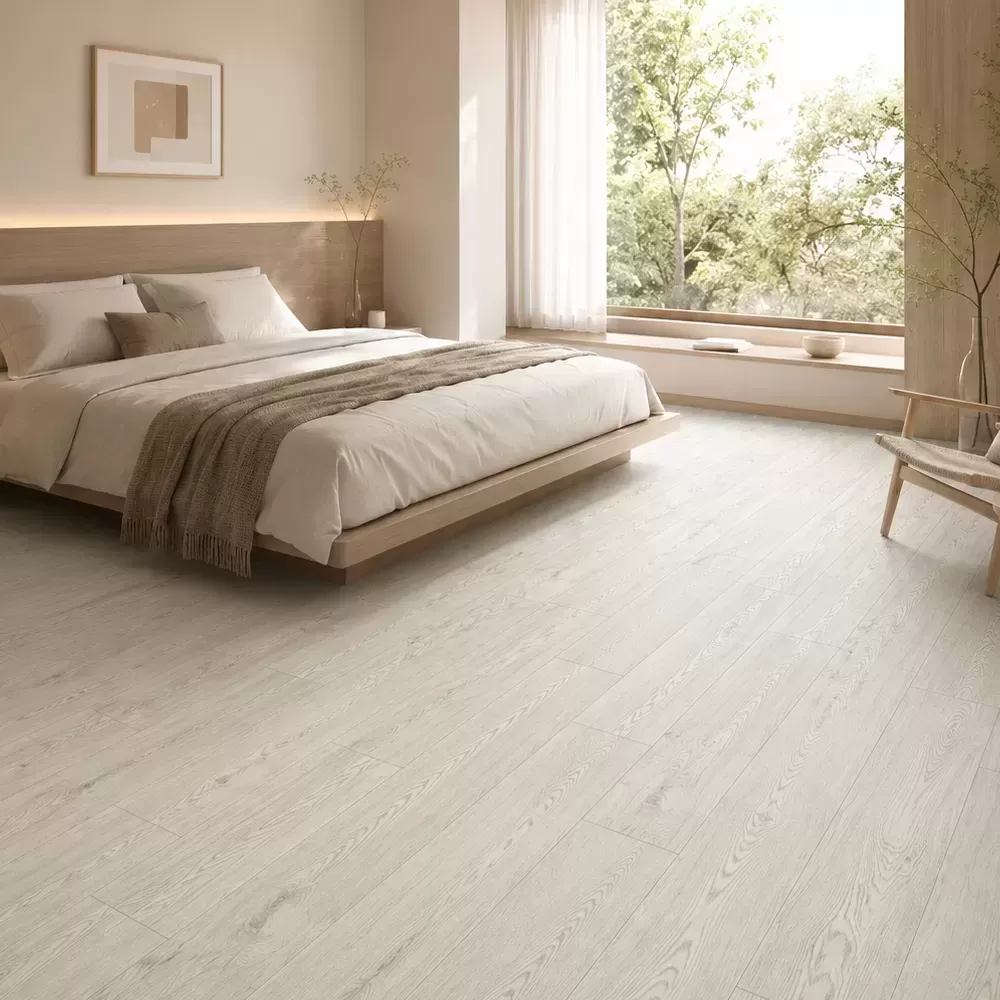
Architectural Application Guide
Different commercial sectors demand specific performance attributes from their flooring solutions. Selecting the correct product configuration ensures long-term satisfaction.
Retail Spaces: These environments require high aesthetic appeal combined with exceptional resistance to abrasive wear from foot traffic and heavy display units. A thick wear layer is necessary to handle the constant friction, while realistic stone or wood visuals help establish the desired brand atmosphere. Utilizing a variety of commercial lvt floor tiles designs allows retailers to define different zones within a single store layout.
Healthcare Facilities: Hygiene, slip resistance, and rolling load capabilities are the primary requirements. Seamless installations can be achieved through precise tight-joint installations, and the resilient nature of vinyl helps reduce fatigue for standing staff, while remaining easy to sanitize with standard hospital-grade disinfectants.
Corporate Offices: Acoustic performance and design flexibility are key. Modular tiles allow for creative layouts, such as herringbone or transition zones between open offices and meeting rooms, while integrated acoustic backings help manage ambient noise levels to improve productivity.
Frequently Asked Questions
Q1: What is the recommended wear layer thickness for commercial lvt floor tiles?
A1: For commercial environments with heavy foot traffic, a wear layer thickness of at least 0.55mm (22 mil) is recommended. For extreme traffic areas, such as airport terminals or busy hospital corridors, a 0.7mm (28 mil) wear layer provides extended durability and resistance to deep scratches.
Q2: How do lvt floor tiles perform regarding indoor air quality and VOC emissions?
A2: High-quality tiles undergo testing to ensure low volatile organic compound (VOC) emissions. Look for certifications such as FloorScore or those complying with CDPH Standard Method V1.2. TAB Flooring products are manufactured using virgin vinyl and phthalate-free plasticizers to maintain healthy indoor air.
Q3: Can these lvt floor tiles be installed over existing ceramic or hardwood floors?
A3: Yes, installation is possible over existing flooring, provided the subfloor is structurally sound, level, and clean. Grout lines in ceramic tiles must be patched and smoothed using a cementitious underlayment to prevent telegraphing through the new vinyl surface. Wood subfloors must be structurally stable and free of deflection.
Q4: What is the impact of moisture on glue-down lvt floor tiles installations?
A4: While the tiles themselves are moisture-resistant, excessive subfloor moisture can cause adhesive failure, leading to curling, bubbling, or shifting. Subfloor relative humidity (RH) must be tested prior to installation and must comply with the adhesive manufacturer's specifications. If moisture levels are high, a moisture vapor barrier must be applied first.
Q5: How does the repair process differ between sheet vinyl and modular lvt floor tiles?
A5: Modular tiles offer a significant advantage over sheet vinyl. If a single tile is damaged, it can be heated to soften the adhesive, removed, and replaced with a new tile. Sheet vinyl, conversely, requires complex patching and cold welding that often remains visible and is difficult to execute seamlessly.
Project Inquiries and Specifications
For detailed performance specification sheets, product certifications, or to select appropriate lvt floor tiles for your next project, please contact our project consulting team. TAB Flooring offers direct assistance to specifiers, architects, and commercial contractors to ensure product selections align with performance demands. We invite you to submit an inquiry to discuss your project requirements and request physical samples.