The choice of commercial flooring involves a careful balance of aesthetic appeal, long-term durability, and overall lifecycle costs. Architects, developers, and flooring importers require materials that can withstand high pedestrian traffic while maintaining structural integrity. Among the available options in the modern resilient flooring market, lvt tiles have established a strong position. These flooring products offer a versatile alternative to traditional natural stone, ceramic, and hardwood, providing comparable visual appeal with lower maintenance demands. TAB Flooring manufactures custom resilient flooring solutions designed to meet the rigorous demands of international commercial developments.
The Layered Engineering of LVT Tiles
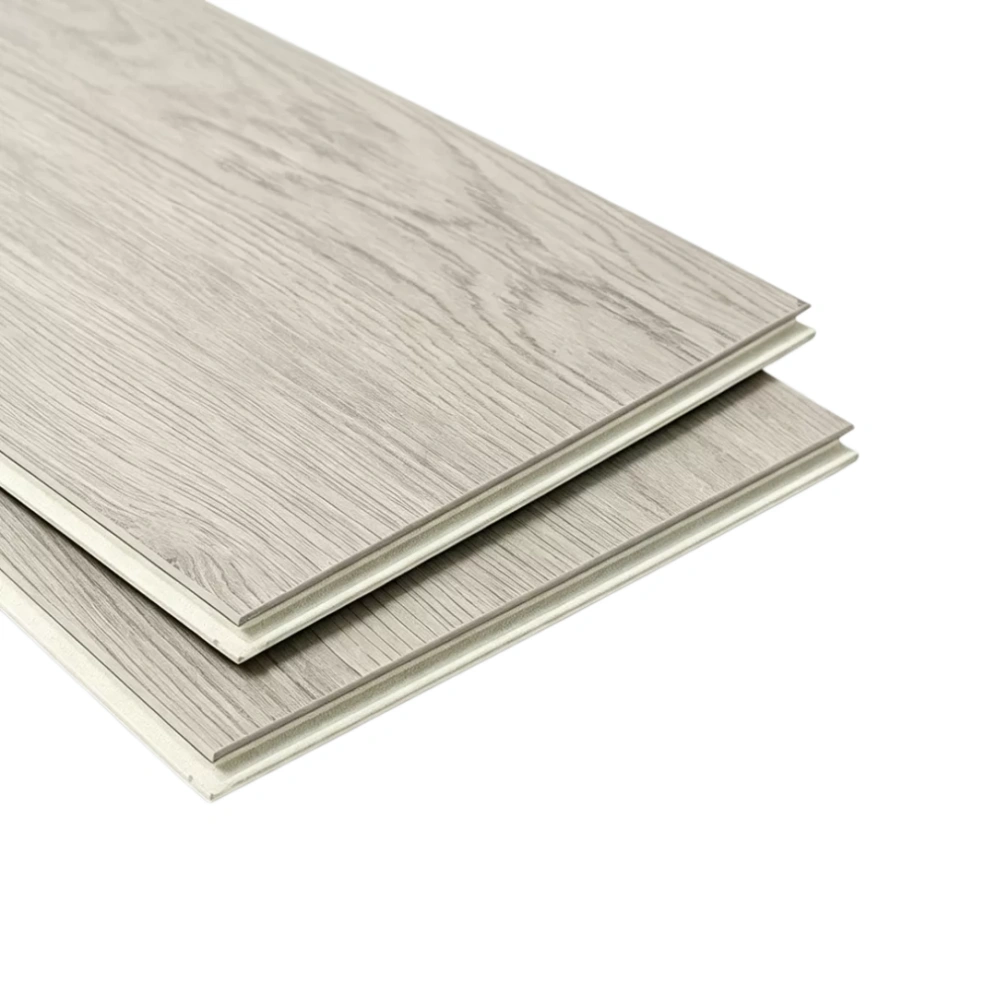
The performance of resilient flooring depends heavily on its multi-layered construction. Understanding how these layers interact allows project specifiers to select the correct product classification for their specific environmental demands.
The Surface Protection Layer
At the top of the structure is a polyurethane treatment, which is often cured using ultraviolet light. This layer serves as the primary barrier against scuffing, staining, and micro-scratching. It reduces the need for constant waxing or polishing, which significantly lowers maintenance costs over the lifetime of the installation. In high-traffic environments, some formulations incorporate microscopic particles of aluminum oxide or ceramic beads directly into this coating to provide enhanced abrasion resistance.
The Wear Layer
Directly beneath the protective treatment lies the wear layer, a clear polyvinyl chloride (PVC) film. The thickness of this layer is the primary indicator of the product’s durability. For light commercial environments, a wear layer of 0.3mm (12 mil) is often sufficient. However, for heavy commercial applications such as retail corridors, educational facilities, and healthcare lobbies, a wear layer of 0.5mm (20 mil) or 0.7mm (28 mil) is recommended. This layer is tested under standardized methods, such as ASTM F1700, to classify the flooring for commercial wear resistance. Because this wear layer consists of pure polymer without mineral fillers, it maintains optical clarity, ensuring the underlying design remains visible and sharp over years of use.
The Print Film and Visual Layer
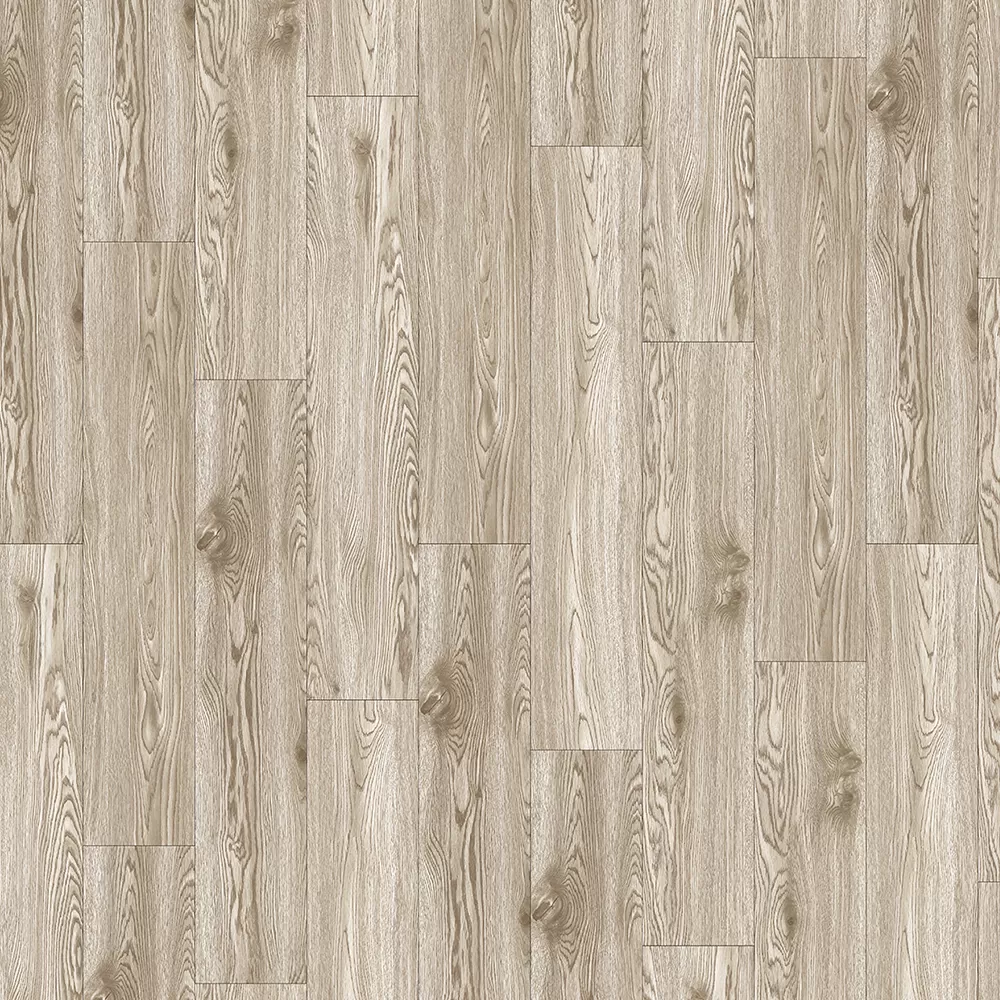
Modern manufacturing utilizes advanced rotogravure and digital printing processes to create realistic visual patterns. This layer replicates the exact grain patterns of natural timber, the cleft textures of slate, or the subtle variations of poured concrete. By selecting high-definition print films, specifiers achieve the desired aesthetic without the weight, thickness, or installation complexity of natural materials.
The Core Compound
The structural core provides the necessary bulk and flexibility. In flexible lvt tiles, this core consists of a mixture of PVC resin, plasticizers, and stabilizers. The ratio of these ingredients determines the flexibility and impact resistance of the tile. Unlike rigid core SPC (Stone Plastic Composite), standard luxury vinyl tiles maintain a degree of pliability, allowing them to conform to minor subfloor imperfections and provide a quieter, more cushioned underfoot experience. This layer is also responsible for absorbing impact energy, preventing the tile from cracking under heavy footfalls or dropped objects.
The Backing Layer
The bottom layer determines how the tile bonds to the subfloor or the adhesive. It is engineered with a textured profile to maximize adhesive grip or to provide frictional resistance in loose lay systems. This layer also prevents moisture from migrating upward, preserving the adhesive bond and structural stability. In some high-end product lines, a balancing layer of fiberglass is embedded between the core and the backing to enhance dimensional stability.
Installation Methodologies and Project Adaptability
Selecting the appropriate installation format is key to ensuring the longevity of the flooring system. Different commercial environments require specific mechanical behaviors from the installed floor.
Glue-Down (Dry Back) Systems
Dry back installations represent the traditional method for commercial projects. The tiles are adhered directly to the prepared subfloor using pressure-sensitive or wet-set acrylic adhesives. This method offers several advantages:
High resistance to heavy rolling loads, such as hospital gurneys, equipment carts, and retail displays.
Minimal movement, as the adhesive secures each tile in place, reducing the risk of gapping or buckling under thermal stress.
Ease of spot repair; damaged tiles can be individually heated, removed, and replaced with minimal disruption to the surrounding floor.
Click-Lock Floating Systems
Click-lock formats utilize a profiled mechanical locking joint along the edges of the tile. This allows the flooring to be installed without adhesive, floating over the subfloor.
Rapid installation times, which reduces labor costs and down-time in commercial renovations.
The ability to install over existing hard surfaces, provided they are flat and structurally sound.
Provision for integrated underlayments, which enhance the thermal and acoustic properties of the overall assembly.
Loose Lay Formats
Loose lay tiles rely on a combination of high-friction backing material and weight to remain stable on the subfloor. They are generally installed with adhesive applied only around the perimeter of the room.
Fastest installation and removal process, making them suitable for temporary commercial displays or raised access flooring systems.
Excellent acoustic dampening properties due to the thicker, heavier core structure.
Complete accessibility to subfloor utilities, which is highly valued in modern office environments.
Addressing Performance Pain Points in Commercial Projects
Commercial procurement managers and project specification engineers face distinct challenges when selecting resilient flooring. Identifying these concerns early prevents post-installation failures.
Dimensional Stability Under Thermal Fluctuation
Vinyl is naturally susceptible to thermal expansion and contraction. When exposed to direct sunlight or HVAC variations, poorly formulated tiles may expand, causing peaking at the joints, or contract, leading to open gaps. To address this, TAB Flooring implements strict quality control during the compounding stage. The dimensional stability is verified using the ASTM F2199 test standard, ensuring the dimensional change remains within acceptable commercial tolerances. Adding a fiberglass layer during manufacturing acts as a stabilizing matrix, restricting physical expansion in both length and width.
Subfloor Preparation and Moisture Mitigation
Many resilient flooring failures are not caused by the tiles themselves, but by subfloor preparation issues. High moisture levels in concrete slabs can cause adhesive breakdown, leading to shifting or bubbling. Before installing lvt tiles, concrete subfloors must undergo relative humidity (RH) testing per ASTM F2170. If the RH levels exceed the adhesive manufacturer’s limits, a moisture barrier or epoxy mitigation system must be applied. Additionally, the subfloor must be flat to within 3/16 inch over a 10-foot radius to ensure proper surface contact and prevent telegraphing, where subfloor imperfections show through the surface of the vinyl.
Indentation Resistance and Static Loads
Heavy static loads from office furniture, shelving, or medical equipment can cause permanent depressions in vinyl flooring. Resistance to these loads is evaluated using the ASTM F1914 standard for residual indentation. By balancing the ratio of calcium carbonate filler to PVC resin in the core layer, the indentation recovery rate can be maintained at a level that preserves the flat profile of the floor over years of service. Specifying a higher density core or transitioning to a rigid core format can mitigate this issue in spaces with concentrated heavy loads.
Acoustic Performance and Impact Noise Isolation
Multi-story commercial buildings, hotels, and multi-family residential projects require strict acoustic control to ensure occupant comfort. Raw concrete slabs provide very little resistance to impact sound, such as footsteps or dropped items. Specifying lvt tiles with built-in acoustic backings, or pairing them with specialized underlayments, helps achieve the required Impact Insulation Class (IIC) ratings. This structural combination prevents sound transmission through floor-ceiling assemblies without the need for thick, heavy acoustic screeds.
Customization Parameters for Global B2B Importers
Global distributors and large-scale builders often require custom specifications to align with local building codes and consumer preferences. TAB Flooring offers a comprehensive range of custom options tailored for large-volume imports.
Embossing Profiles and Textures
The tactile surface of the floor affects both its appearance and its slip resistance. Importers can choose from several texture options:
Smooth or light satin finishes for a clean, modern aesthetic that is easy to sweep and sanitize.
Wood tick or slate embossing that roughly mimics natural textures.
Embossed-in-Register (EIR) finishes, where the physical texture matches the underlying visual print precisely, providing high realism.
Slip Resistance Classifications
In public spaces, slip resistance is a primary safety concern. Depending on the intended application, the surface texture and polyurethane coating can be adjusted to meet specific slip resistance ratings, such as the German Ramp Test R-ratings (R9 to R11) or Pendulum Test Values (PTV). This ensures compliance with local accessibility and safety regulations in retail, hospitality, and public transit areas.
Chemical and Stain Resistance
In environments like laboratories, hair salons, or restaurants, flooring is frequently exposed to harsh chemicals, sanitizers, and staining agents. The polyurethane wear layer can be enhanced with additives like ceramic beads or micro-alumina particles to improve resistance against chemical degradation, preventing discoloration and keeping the floor easy to clean.
Environmental Standards and Indoor Air Quality
Modern commercial building initiatives, such as LEED or BREEAM certification, require all interior materials to meet strict emissions standards. Low-quality vinyl flooring can emit Volatile Organic Compounds (VOCs), which degrade indoor air quality.
To meet these global standards, the raw materials used in the manufacturing of lvt tiles must be carefully monitored. TAB Flooring utilizes 100% virgin PVC resin and phthalate-free plasticizers in its production processes. This ensures the finished flooring passes rigorous emissions testing, such as FloorScore or Greenguard Gold certification, making it safe for installation in sensitive environments like schools, hospitals, and child-care centers.
Sourcing and Supply Chain Considerations for B2B Importers
Sourcing resilient flooring for large-scale projects involves evaluating more than just the product specifications. Importers must assess the manufacturer's capacity, quality control systems, and supply chain reliability.
Production Capacity: Large commercial developments require timely delivery of large quantities. A reliable manufacturer must operate high-capacity extrusion and pressing lines to prevent project delays.
Batch Consistency: Color and pattern variation between production batches can ruin a large installation. Advanced color-matching technology and strict raw material control are required to maintain consistency across container loads.
Compliance Testing: High-quality flooring must be accompanied by comprehensive testing reports from certified laboratories (such as SGS or Intertek) verifying compliance with EN and ASTM standards.
Contact TAB Flooring for Commercial Projects
Finding the correct resilient flooring requires careful consideration of mechanical specifications, installation methods, and environmental certifications. TAB Flooring provides high-quality, customized lvt tiles designed to meet the performance criteria of your specific B2B projects. Our team of product experts is available to discuss custom wear layers, dimensions, patterns, and acoustic solutions tailored to your market demands. Contact our commercial sales department today to request product catalogs, technical data sheets, and material samples for your next project.
Frequently Asked Questions
Q1: What is the recommended wear layer thickness for commercial LVT tiles?
A1: For commercial applications, a wear layer of 0.5mm (20 mil) or 0.7mm (28 mil) is recommended. This provides adequate protection against the abrasive forces of high pedestrian traffic, rolling loads, and heavy furniture.
Q2: How do LVT tiles perform in wet areas compared to natural wood?
A2: Unlike natural wood, which absorbs moisture and can warp, buckle, or rot, LVT tiles are composed of synthetic materials that do not absorb water. This makes them highly suitable for kitchens, restrooms, and entryways.
Q3: Can these flooring products be installed over radiant heating systems?
A3: Yes, LVT tiles are compatible with embedded radiant heating systems. However, the floor temperature should generally not exceed 27°C (80°F), and the adhesive used must be rated for high-temperature stability.
Q4: What is the difference between flexible LVT and rigid core SPC flooring?
A4: Flexible LVT is composed of a pliable PVC core, providing a softer, quieter feel underfoot and better conformity to subfloors. Rigid core SPC features a stone-plastic composite core, which offers superior indentation resistance and dimensional stability over larger areas without expansion joints.
Q5: How does TAB Flooring ensure dimensional stability in different climates?
A5: TAB Flooring uses high-quality raw materials with balanced PVC-to-filler ratios and incorporates fiberglass stabilization layers in specific formulations. This control reduces thermal expansion and contraction, keeping the tiles stable under varying indoor temperatures.