In modern commercial architecture and multi-family residential developments, flooring materials in food preparation zones face demanding conditions. These spaces require surfaces that can withstand frequent spills, heavy foot traffic, mechanical impacts, and stringent hygiene requirements. While traditional ceramic tile and natural stone historically dominated these specifications, modern product engineering has shifted the industry standard toward resilient synthetic alternatives. Specifically, kitchen vinyl flooring has emerged as a preferred solution for developers, architects, and procurement professionals seeking to balance performance, aesthetics, and project budgets.
As a prominent manufacturer in the international SPC and LVT customization sector, TAB Flooring provides high-performance surfacing solutions designed to meet these exact construction demands. To make an informed procurement decision, understanding the structural composition, installation methods, and performance metrics of modern resilient flooring is necessary. This analysis explores the structural attributes that define high-caliber materials for food service and preparation environments.
Understanding the Structural Composition of Kitchen Vinyl Flooring
To evaluate resilient flooring options, specifiers must distinguish between Stone Plastic Composite (SPC) and traditional flexible Luxury Vinyl Tile (LVT). Both categories fall under the modern vinyl classification, but their core constructions serve different structural purposes within a kitchen layout.
Rigid Core (SPC) vs. Flexible Luxury Vinyl Tile (LVT)
Stone Plastic Composite (SPC) represents a major advancement in dimensional stability. The core layer consists of approximately 70% to 75% natural limestone (calcium carbonate) combined with polyvinyl chloride and stabilizers. This dense formulation results in a rigid, solid plank that is highly resistant to indentation. For kitchen environments where heavy appliances, such as commercial refrigerators and cooking ranges, exert high static loads, SPC provides the necessary resistance to localized compression, preventing the permanent indentation that often plagues softer materials.
In contrast, traditional flexible LVT features a core composed of PVC resins and plasticizers, offering a more pliable structure. While flexible LVT provides greater comfort underfoot and superior sound absorption characteristics, it lacks the extreme rigidity of SPC. In projects where subfloors contain minor surface variations, flexible LVT may transfer those irregularities to the surface—a phenomenon known as telegraphing—unless proper subfloor leveling is completed prior to installation.
The Role of Wear Layer Thickness and Polyurethane Coatings
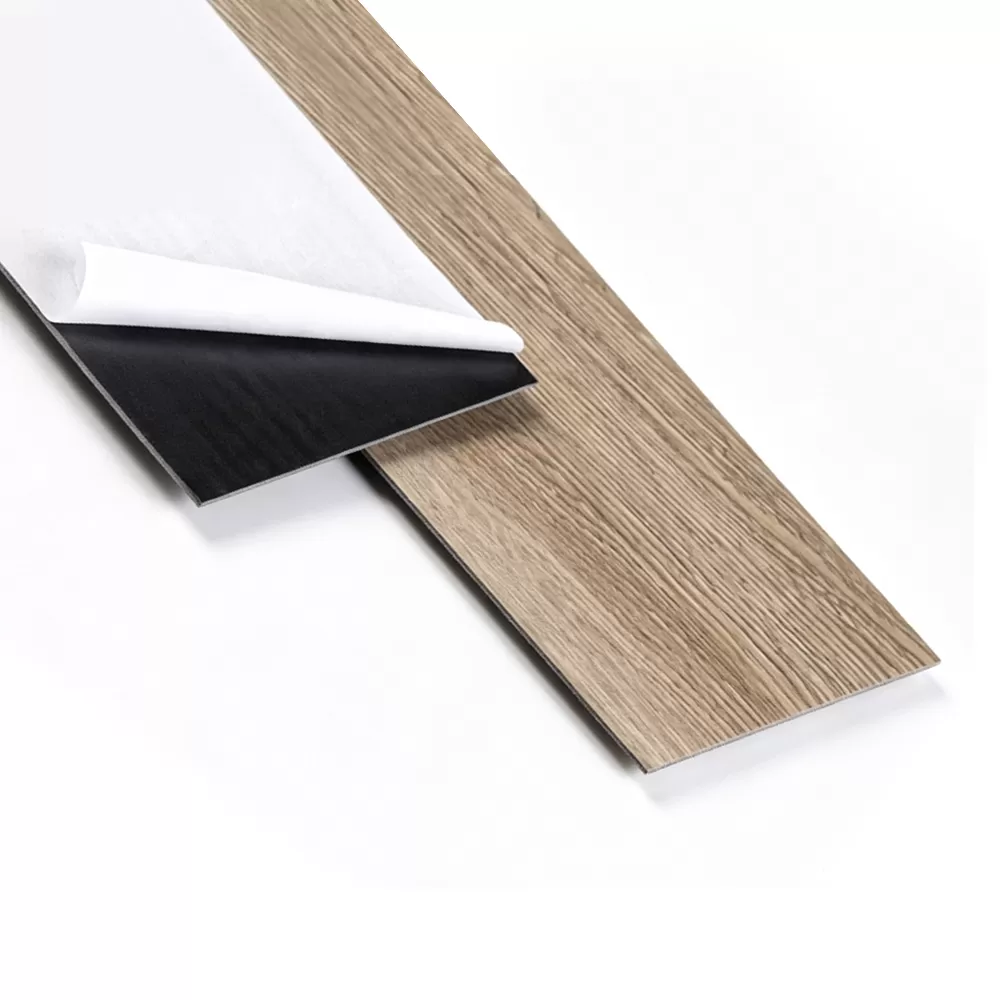
Above the core lies the high-definition print film, which replicates natural wood grains or stone textures, followed by the protective wear layer. The wear layer is the primary defense mechanism against abrasive wear. For residential kitchens, a wear layer thickness of 0.3 mm (12 mil) is generally acceptable. However, for high-traffic multi-family common areas or light commercial food service zones, specifying a wear layer of 0.55 mm (22 mil) or 0.7 mm (28 mil) is a vital step to prevent premature wear.
To enhance stain and scratch resistance, premium manufacturers apply a cured polyurethane (PUR) surface treatment. This treatment is often reinforced with micro-ceramic beads or aluminum oxide particles, ensuring that the kitchen vinyl flooring resists staining from common acidic foodstuffs, oils, and chemical sanitizers. This protective shield also simplifies daily maintenance protocols, reducing the need for specialized waxing or stripping treatments.
Addressing Environmental Challenges in Food Preparation Zones
Kitchens present a unique set of environmental variables that can compromise inferior flooring materials. Managing these factors requires careful consideration of several physical properties during the material selection process.
Moisture Resistance and Waterproof Integrity
Unlike wood-based laminate flooring, which features a hydrophilic High-Density Fiberboard (HDF) core susceptible to edge swelling and delamination when exposed to water, polymer-based kitchen vinyl flooring is entirely waterproof. Even during prolonged exposure to water from appliance leaks, plumbing failures, or frequent wet mopping, the physical dimensions of the planks remain unchanged. This inert reaction to moisture prevents the growth of mold and mildew within the subfloor assembly, supporting indoor air quality and structural hygiene.
Thermal Stability and Heat Exposure
Kitchen spaces often experience localized temperature fluctuations near cooking equipment, ovens, and large glass windows. Resilient flooring materials with poor dimensional stability tend to expand and contract under these thermal stresses, leading to joint separation or buckling. High-quality SPC, due to its limestone-dominant core, maintains excellent dimensional stability. Standard testing under EN ISO 23999 demonstrates that premium SPC exhibits a dimensional variation of less than 0.08% after exposure to elevated temperatures, making it highly reliable for installation adjacent to heat-emitting commercial appliances.
Slip Resistance Ratings
Liquid spills, grease splatters, and moisture accumulation are common in food preparation zones, highlighting the need for slip-resistant surfaces. Specifiers rely on standardized testing methods, such as the German DIN 51130 ramp test, which classifies slip resistance from R9 (lowest) to R13 (highest). For standard residential kitchens, an R9 rating is sufficient, but commercial kitchens or high-use multi-family kitchen facilities require an R10 rating. Textured surface embossing, particularly Embossed in Register (EIR) technology, aligns the visual grain of the print film with the physical texture, increasing the dynamic coefficient of friction and providing safer traction under wet conditions.
Acoustic Attenuation
In multi-family residential developments, managing acoustic transfer between levels is a key building code requirement. The sound of dropped utensils, footsteps, and sliding chairs in kitchens can easily transmit through the floor assembly. To mitigate impact sound, modern kitchen vinyl flooring often includes an integrated acoustic backing. This underlayment, typically made of high-density Cross-Linked Polyethylene (IXPE) or Ethylene-Vinyl Acetate (EVA) in thicknesses ranging from 1.0mm to 1.5mm, significantly reduces impact sound transmission. Incorporating these pre-attached backings helps the complete floor assembly achieve high Impact Insulation Class (IIC) and Sound Transmission Class (STC) ratings, often exceeding 50 dB, without requiring separate underlayment installations.
Project Installation Methodologies and Subfloor Requirements
The long-term performance of kitchen vinyl flooring depends heavily on selecting the appropriate installation method and completing proper subfloor preparation. Contractors must analyze the specific demands of the project site before deciding on the installation format.
Click-Lock Floating Systems
Floating systems utilize mechanical interlocking profiles, such as Uniclic or Välinge click joints, to secure the planks together without adhesives. This method is highly efficient for multi-family residential construction, where speed of installation directly impacts project timelines. The lack of adhesives simplifies replacement if a specific plank is damaged by localized impact, as individual planks can be unlocked and replaced. However, in larger commercial spaces, floating floors require perimeter expansion gaps to accommodate minor building movement, which must be concealed with base moldings or transition profiles.
Glue-Down and Dry Back Formats
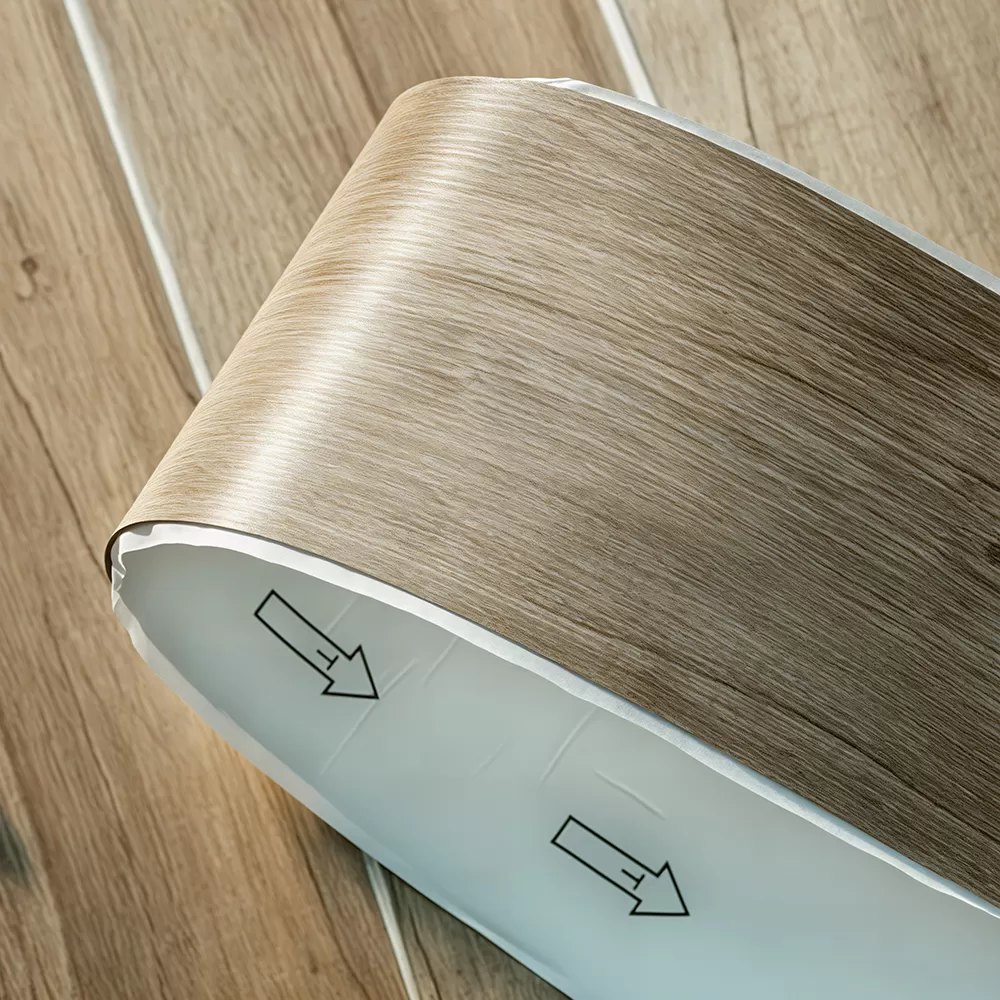
For high-traffic commercial kitchens and public dining areas, the glue-down method remains the industry standard. By adhering the vinyl backing directly to the subfloor with high-strength, moisture-resistant acrylic adhesives, the flooring is completely secured. This direct bond eliminates the hollow sound sometimes associated with floating floors and prevents plank movement under heavy rolling loads, such as supply dollies or maintenance carts. The absence of movement under shear stress ensures that the joints remain tightly sealed, preventing water or organic debris from penetrating beneath the flooring.
Subfloor Preparation Standards
Regardless of the installation method chosen, the subfloor must meet strict standards to ensure the longevity of the vinyl surface. The following requirements represent the industry standard for professional installations:
Moisture Testing: Concrete subfloors must be tested for moisture vapor emissions using the relative humidity (RH) test in accordance with ASTM F2170, with acceptable levels typically falling below 85% to 90% RH for standard adhesives.
Flatness Tolerances: The subfloor must be flat to within 3/16 of an inch over a 10-foot radius (or 3mm over 3 meters). Any variations beyond this tolerance can stress the click joints of floating floors, leading to premature locking system failure.
Subfloor Cleanliness: All wax, paint, oil, and dust must be removed to ensure proper adhesive bonding in glue-down installations and to prevent telegraphing of small particles through flexible LVT.
Sourcing Metrics and Customization with TAB Flooring
For international B2B buyers, distributors, and large-scale developers, sourcing kitchen vinyl flooring involves evaluating production capacities, quality control consistency, and customized manufacturing capabilities. A reliable manufacturing partner must provide flexible options that align with specific project budgets and building codes.
TAB Flooring specializes in producing high-grade SPC and LVT options tailored to professional specifications. By offering fully customizable wear layer thicknesses, integrated underlayment types, and aesthetic designs, the company supports diverse commercial and residential applications. Quality assurance at the factory level involves strict testing for peel strength, dimensional stability, hot limit resistance, and VOC emissions. Certifications such as FloorScore ensure that the flooring complies with strict indoor air quality standards, a key consideration for modern green building initiatives.
By working directly with a specialized manufacturer, procurement officers can secure bulk pricing, reliable shipping timelines, and direct engineering support to resolve challenging project site conditions. Customizing the structural layers of the flooring allows developers to manage costs while maintaining the specific performance characteristics required for heavy-use kitchen zones.
Frequently Asked Questions
Q1: What wear layer thickness is recommended for commercial kitchen vinyl flooring?
A1: For commercial kitchen applications, a wear layer thickness of 0.55 mm (22 mil) or 0.7 mm (28 mil) is recommended. This thickness provides sufficient resistance against heavy foot traffic, dragging equipment, and aggressive daily cleaning regimens. For light residential use, a 0.3 mm (12 mil) wear layer is generally sufficient.
Q2: How does SPC compare to traditional LVT regarding dimensional stability in kitchens?
A2: SPC offers significantly higher dimensional stability than traditional flexible LVT due to its high limestone core content (70-75%). Under extreme temperature variations—such as those near commercial ovens or dishwashers—SPC experiences minimal expansion and contraction (typically less than 0.08% per EN ISO 23999), preventing joint gapping and buckling.
Q3: Can kitchen vinyl flooring be installed over existing ceramic tile?
A3: Yes, rigid core SPC kitchen vinyl flooring can be installed over existing ceramic tile, provided the existing floor is flat, securely bonded, and free of structural cracks. The grout lines of the ceramic tile must be filled with a patch or self-leveling compound if they exceed 1/4 inch (6mm) in width or 1/8 inch (3mm) in depth to prevent telegraphing through the new flooring.
Q4: What slip resistance ratings should be specified for wet kitchen areas?
A4: For areas prone to frequent wet spills or grease splatters, specifying an R10 slip resistance rating under the DIN 51130 standard is recommended. An R10 rating combined with a textured surface embossing (such as Embossed in Register) provides the necessary friction to reduce slip incidents under wet conditions.
Q5: How does TAB Flooring handle bulk customization for large-scale developments?
A5: TAB Flooring offers comprehensive customization services, allowing B2B buyers to specify custom plank dimensions, wear layer thicknesses, acoustic backing materials (IXPE/EVA), and unique surface textures. This direct-to-factory customization ensures that the final product matches both the aesthetic requirements and the functional performance criteria of the project.
Project Sourcing and Inquiry
For large-scale commercial developments, multi-family housing projects, and wholesale distribution networks, selecting a manufacturing partner that understands material performance is fundamental. TAB Flooring provides fully certified, customizable resilient flooring solutions tailored to meet the rigorous demands of modern kitchen environments. To request physical product samples, architectural folders, or a detailed volume quotation based on your project specifications, please submit a formal inquiry to our international contract sales department. Our engineering team is available to assist you in selecting the precise structural specifications required for your upcoming installations.