For SPC flooring buyers in humid markets, product selection should not rely only on a few standard technical parameters. In countries and regions such as Southeast Asia and Mauritius, high humidity, frequent temperature changes, and different installation environments can make flooring projects more sensitive to product structure, dimensional stability, backing design, and order communication.
When buyers discuss SPC flooring orders, it is common to ask about shrinkage rate, expansion rate, tensile strength, and other test data. These parameters are important, but they should not be treated as the only basis for decision-making. A successful order depends on more than isolated numbers. It requires clear communication between the supplier, sales representative, and client about the final application, installation conditions, product structure, and expected performance.
For international sales teams, this is especially important. Instead of simply repeating standard data, sales representatives should guide clients to confirm the right product details before production. This helps reduce misunderstandings, avoid wrong product selection, and improve the success rate of each order.
Why Humid Markets Need More Careful SPC Flooring Discussion
SPC flooring is widely used in residential, commercial, apartment, hotel, and renovation projects. Its rigid core structure, wood-look surface, and practical installation features make it suitable for many flooring applications. However, in humid regions, buyers often pay closer attention to how the flooring performs under moisture exposure and temperature variation.
In these markets, the project environment may include:
High air humidity
Rainy seasons
Coastal climate conditions
Air-conditioned indoor spaces
Temperature differences between storage, transport, and installation sites
Long-distance shipping and warehouse storage before installation
Because of these factors, buyers often ask for technical reassurance. This is reasonable. However, the discussion should go beyond one or two figures on a specification sheet. A product with acceptable test data may still cause problems if the order details, installation conditions, or product structure are not properly matched to the project.
That is why communication is part of product quality in international flooring business.
Do Not Judge SPC Flooring Only by Shrinkage Rate
Shrinkage rate is an important reference when evaluating SPC flooring. It helps buyers understand how the flooring may react under certain test conditions. However, shrinkage rate alone cannot explain the full performance of the product in a real project.
In actual use, flooring performance may also be affected by product thickness, core formulation, surface structure, backing design, production control, storage conditions, installation method, and site environment.
For humid markets, buyers should ask not only “What is the shrinkage rate?” but also:
What product structure is recommended for this market?
What backing design is used?
What installation conditions should be controlled?
How should the flooring be stored before installation?
Are there any special order requirements for this climate?
What product details need to be confirmed before mass production?
This kind of discussion is more useful than comparing one number without understanding the full product context.
Expansion Rate and Tensile Strength Should Also Be Understood Correctly
Expansion rate and tensile strength are also common parameters in flooring order discussions. They can help buyers compare product stability and mechanical performance. But like shrinkage rate, they should not be used without context.
Different markets, applications, and project types may require different product priorities. For example, a distributor supplying apartment renovation projects may care about installation efficiency and dimensional stability. A contractor supplying humid coastal areas may focus more on storage, site conditions, and long-term usage environment. A wholesaler may need clear product information to explain the flooring correctly to downstream customers.
If sales representatives only focus on standard figures, they may miss the real reason behind the client’s concern. A buyer asking about tensile strength may actually be worried about product durability during transport or installation. A buyer asking about expansion rate may be concerned about local climate and after-sales risk.
The better approach is to understand the project first, then explain the relevant product details.
Backing Design and Product Structure Deserve More Attention
In SPC flooring orders, the front surface usually receives the most attention. Buyers often compare color, wood grain, surface texture, wear layer, and overall appearance. However, the back side and structural balance of the flooring should also be considered, especially for orders targeting humid regions.
Some SPC flooring samples may include special backing or surface treatment designs according to customer requirements. These details should be clearly confirmed before production because they may affect product handling, application suitability, and buyer expectations.
For B2B buyers, it is useful to ask the supplier to explain:
The flooring structure
The surface layer and wear layer arrangement
The backing design
Whether any special treatment is requested for the order
Whether the design is a standard product or a customized requirement
How the structure relates to the intended application
Clear confirmation helps prevent a common problem in international trade: the buyer and supplier may both use the same product name, but they may not be talking about the exact same structure.
Sales Representatives Should Guide the Conversation
For international sales representatives, the role is not only to provide a quotation. A good sales process should help clients make the right technical and commercial decision.
When serving clients in humid countries, sales representatives should avoid giving simple answers such as “our shrinkage rate is good” or “our tensile strength is high.” These answers may sound reassuring, but they do not always solve the client’s real concern.
A better sales conversation should include questions such as:
Where will the flooring be used?
Is the project residential or commercial?
Will the flooring be installed in an air-conditioned indoor area?
What is the local humidity condition?
How will the goods be stored before installation?
Does the client need standard SPC flooring or a special structure?
What performance concerns have occurred in previous orders?
Does the client have a target market requirement or local standard?
By asking these questions, the sales team can guide the buyer more accurately. This also helps the supplier avoid producing a product that meets general parameters but does not match the client’s real application.
Why Client Cooperation Is Important
SPC flooring orders are more successful when the buyer and supplier cooperate from the beginning. The supplier needs to understand the market and project requirements. The buyer also needs to provide accurate information about the application and expected use.
If the buyer only asks for a low price and several basic parameters, the supplier may not have enough information to recommend the right product. If the supplier only provides standard data without asking about the project, the client may receive a product that is technically acceptable but not ideal for the local market.
Good cooperation should include:
Clear product name confirmation
Confirmed structure and backing design
Confirmed color and surface texture
Confirmed application environment
Confirmed packaging and storage requirements
Confirmed testing expectations
Confirmed sample approval before bulk production
This process may take more time at the beginning, but it can reduce risks later.
What Buyers Should Confirm Before Placing an SPC Flooring Order
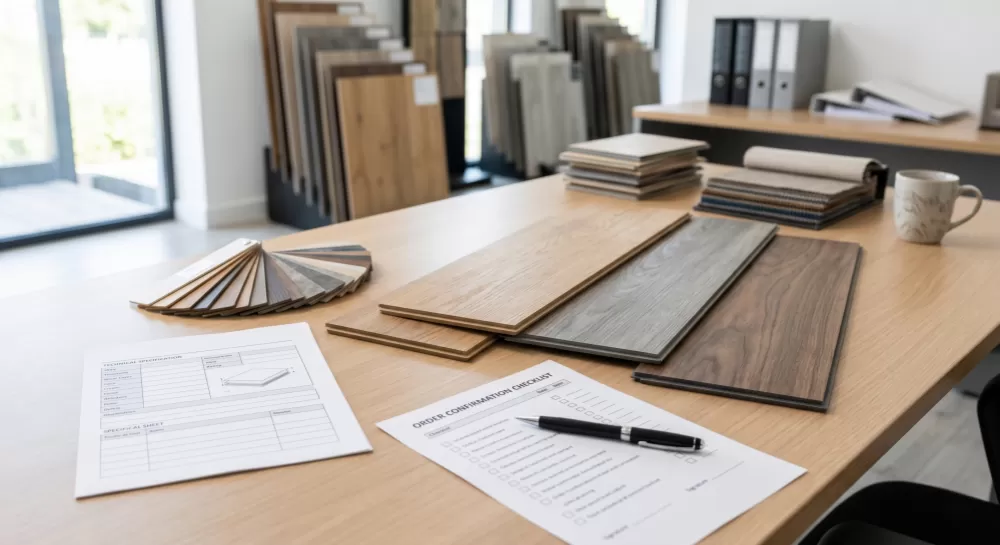
For buyers sourcing SPC flooring for humid markets, the following points should be discussed before confirming an order.
1. Product Structure
Buyers should confirm the structure of the flooring, including the surface layer, decorative film, core layer, backing, and any additional treatment. If a special structure is required, it should be clearly stated in the order documents.
2. Application Environment
The supplier should know whether the flooring will be used in apartments, hotels, offices, retail spaces, residential houses, or other indoor areas. The expected humidity condition and installation environment should also be discussed.
3. Technical Parameters
Shrinkage rate, expansion rate, tensile strength, and other technical data should be reviewed, but they should be connected to the actual application. Buyers should avoid making decisions only by comparing one figure from different suppliers.
4. Storage and Installation Conditions
In humid markets, storage and installation conditions can affect the final result. Buyers should confirm whether the flooring needs to be stored in a dry indoor area before installation and whether the installation site requires special preparation.
5. Sample Approval
Before bulk production, sample approval is important. The buyer should check color, surface texture, structure, backing, locking profile, and other details according to the confirmed order requirement.
6. Communication Records
All important details should be recorded in writing. This includes product structure, order specification, sample approval, packaging, and special requirements. Clear documentation helps both sides avoid misunderstanding.
A Practical Mindset for Humid-Market Orders
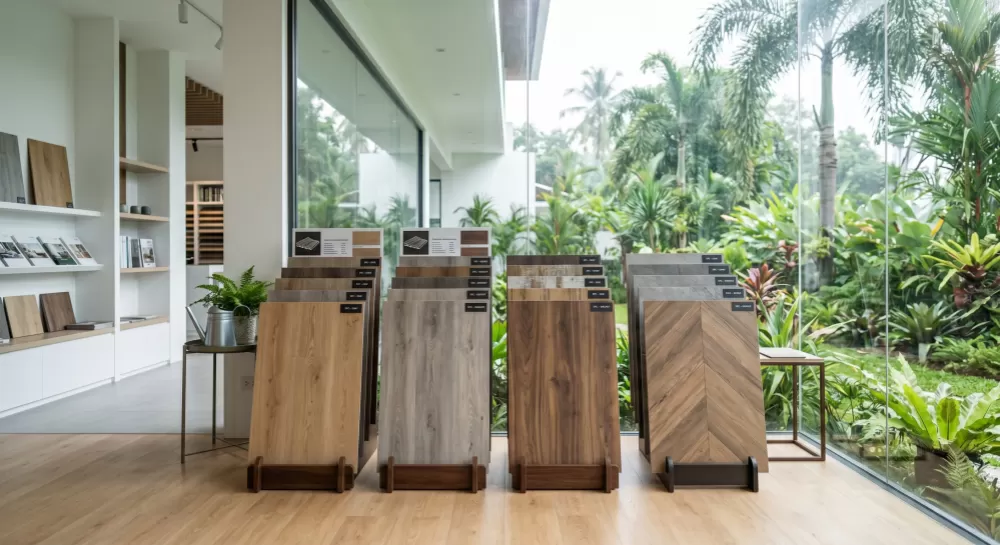
For humid markets, the right mindset is not to ask for one “perfect” parameter. The better approach is to match the product to the real market environment.
A flooring product should be evaluated as a full system. Surface design, core stability, backing structure, installation condition, storage method, and client expectations all matter. When these details are discussed clearly, the buyer can make a more reliable decision, and the supplier can prepare the order more accurately.
This is also why experienced sales representatives should not blindly lead every conversation back to shrinkage rate, expansion rate, or tensile strength. These parameters are useful, but they need to be explained together with the product structure and application environment.
Final Thoughts
SPC flooring orders for humid countries require more than standard product data. Shrinkage rate, expansion rate, and tensile strength are useful references, but they cannot replace proper order communication.
For buyers in Southeast Asia, Mauritius, and other humid regions, the key is to work closely with the supplier before production. Product structure, backing design, application environment, sample approval, and installation conditions should all be discussed clearly.
For suppliers and sales representatives, the responsibility is to guide clients correctly. A successful order is not only about giving a quotation or sending a data sheet. It is about helping the client select the right SPC flooring for the right market, with the right details confirmed before production.