In the commercial architecture and construction sectors, specifying surface materials requires a balanced understanding of material science, installation practicalities, and long-term durability. Over the past decade, the demand for high-performance waterproof vinyl flooring has risen substantially, driven by the need for low-maintenance, moisture-resistant surfaces that can withstand heavy pedestrian traffic. For global importers, distributors, and project managers, choosing the correct formulation of resilient flooring is not merely an aesthetic choice, but an engineering decision that directly impacts the lifecycle cost of a commercial property.
Modern resilient flooring has evolved beyond simple sheet vinyl. Today, advanced manufacturing processes have introduced rigid core structures that address the physical limitations of earlier generations of synthetic floors. Innovations by manufacturers such as TAB Flooring have led to products that combine aesthetic realism with high mechanical stability, making these surfaces suitable for demanding environments like hospitality, healthcare, and multi-family housing.
1. The Multi-Layer Engineering of Resilient Composites
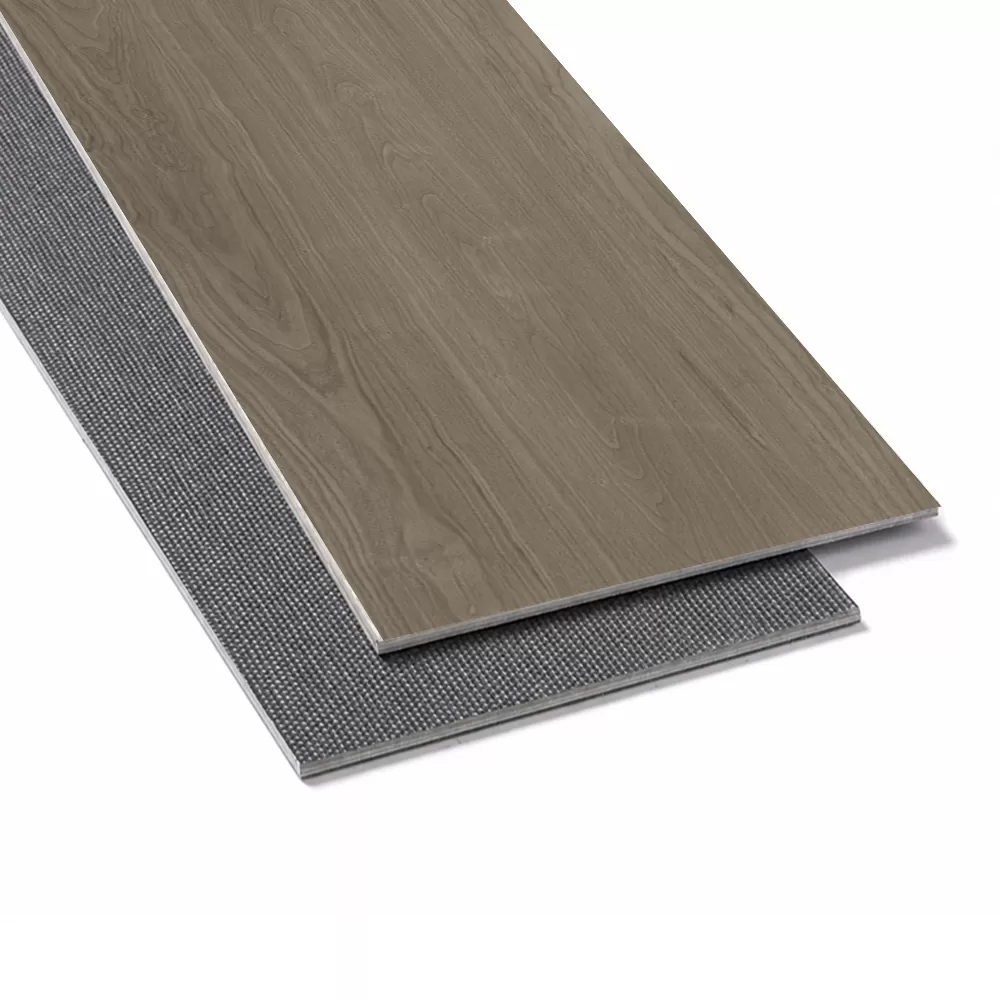
To understand why modern resilient planks perform reliably under moisture stress, it is necessary to examine their multi-layered architecture. Unlike wood or laminate, which rely on organic fibers prone to moisture absorption, these composites utilize synthetic polymers and mineral stabilizers.
The UV-Cured Topcoat: The topmost layer is a polyurethane formulation, often reinforced with ceramic beads or microscopic aluminum oxide particles. This layer serves as the primary barrier against micro-scratches, stains, and ultraviolet degradation, preventing the underlying print film from fading.
The Wear Layer: A clear, heavy-duty polyvinyl chloride (PVC) layer that determines the floor's durability classification. For light residential use, a 0.3mm (12 mil) wear layer is common, whereas heavy commercial installations require a minimum of 0.5mm (20 mil) or 0.7mm (28 mil) to prevent premature wear-through.
The High-Definition Decorative Film: A gravure-printed or digitally printed film that replicates the grain of natural timber, stone, or concrete. Advanced gravure printing ensures high pattern repeat intervals, which minimizes visual patterns during installation.
The Rigid Core: The structural backbone of the plank. This layer is composed either of Luxury Vinyl Tile (LVT) formulations or Stone Plastic Composite (SPC) compounds. This core determines the dimensional stability, impact resistance, and water-impermeability of the entire assembly.
The Integrated Underlayment: Many commercial-grade planks come with a pre-attached backing made of Cross-Linked Polyethylene (IXPE), Ethylene-Vinyl Acetate (EVA), or natural cork. This layer provides sound damping, thermal insulation, and compensates for minor subfloor imperfections.
2. Material Science: SPC versus Flexible LVT Core Formulations
B2B buyers must differentiate between traditional flexible LVT and modern Stone Plastic Composite (SPC) cores. While both are waterproof, their physical properties under mechanical stress and temperature fluctuations vary significantly.
Flexible Luxury Vinyl Tile (LVT)
Traditional LVT consists of a higher ratio of PVC plasticizers and lower mineral filler content. This formulation yields a pliable, flexible plank. Flexible LVT is typically installed using a full-spread wet-set adhesive (glue-down method). While highly resistant to impact damage due to its elasticity, flexible LVT requires an exceptionally flat subfloor, as any subfloor irregularities will easily telegraph to the surface over time.
Stone Plastic Composite (SPC)
SPC represents an engineering advancement where calcium carbonate (limestone) is combined with PVC powder and stabilizers under high heat and pressure. The typical ratio is roughly 60% to 70% limestone filler to 30% PVC. This high-density core (often exceeding 1,900 kg/m³) provides immense indentation resistance and stiffness. SPC remains dimensionally stable under wider temperature ranges, making it suitable for spaces with large window expanses or high solar heat gain. The rigid nature of the core allows for the integration of precision-milled click-lock profiles, enabling a floating floor installation that bridges minor subfloor variations.
3. Structural Stability and Moisture Dynamics
The primary advantage of specifying waterproof vinyl flooring in commercial designs is its complete immunity to moisture-induced dimensional changes. Wood-based laminates and natural hardwoods possess hygroscopic properties; they absorb and release ambient moisture, leading to expansion, contraction, cupping, and crowning.
In contrast, the synthetic polymers and calcium carbonate core of SPC do not interact with water molecules on a chemical level. This ensures that waterproof vinyl flooring maintains its structural integrity under wet conditions, such as minor flooding, consistent mopping, or high-humidity environments like basements and commercial kitchens. However, while the planks themselves are impervious to water, the subfloor beneath them is not. A well-designed commercial system must address subfloor moisture vapor emission rates (MVER) to prevent the growth of mold and mildew in the concrete slab beneath the floor.
4. Performance Standards and Testing Protocols for B2B Sourcing
When sourcing flooring materials for large-scale commercial contracts, procurement officers must rely on standardized testing metrics rather than marketing claims. Below are the key industry standards that define high-quality resilient flooring:
Wear Resistance (EN 660-2 and ASTM F510)
These tests measure the volume loss of the wear layer under abrasive wear wheels. Products are categorized into wear groups (T, P, M, S), with Group T representing the highest resistance level, necessary for airports, malls, and school corridors.
Dimensional Stability (ASTM F2199)
This test measures the linear change in the dimensions of a specimen when subjected to heat. For high-temperature zones, a dimensional stability of less than 0.15% is required to prevent bucking or gapping of the click joints.
Residual Indentation (ASTM F1914 and EN 433)
This metric determines the floor's ability to recover after being subjected to concentrated static loads, such as heavy furniture legs or rolling hospital beds. SPC cores typically exhibit superior performance here, with residual indentation values of less than 0.1mm.
Acoustic Insulation (ASTM E492 and ASTM E90)
In multi-family housing and office spaces, Impact Insulation Class (IIC) and Sound Transmission Class (STC) ratings are vital. An acoustic underlayment, such as a 1.5mm IXPE backing, can raise the IIC rating of an SPC floor to over 60 dB, dampening footstep noise between building levels.
5. Procurement and Customization for Commercial Scale
For large-scale developments, standard retail flooring options rarely meet the specific engineering and aesthetic demands of architects and developers. Sourcing from experienced global suppliers like TAB Flooring allows commercial buyers to customize key product attributes to suit specific project profiles.
Customization options for high-volume B2B orders generally include:
Wear Layer Calibration: Adjusting the wear layer thickness between 0.3mm and 0.7mm depending on the budget and traffic density of the target zone.
Embossing in Register (EIR): A premium pressing technology that aligns the physical texture of the top wear layer with the underlying wood grain pattern, creating a highly realistic tactile feel.
Backing Material Adjustments: Choosing between IXPE for moisture resistance and acoustic properties, or cork for premium natural damping.
Custom Plank Dimensions: Specifying wide-plank profiles (e.g., 228mm x 1524mm) for expansive public areas, or classic herringbone configurations for boutique hospitality projects.
When importers seeking reliable waterproof vinyl flooring solutions partner with manufacturers that maintain strict raw material control, they minimize the likelihood of field failures caused by poor formulation ratios or unstable plasticizers.
6. Common Installation Challenges and Mitigation Strategies
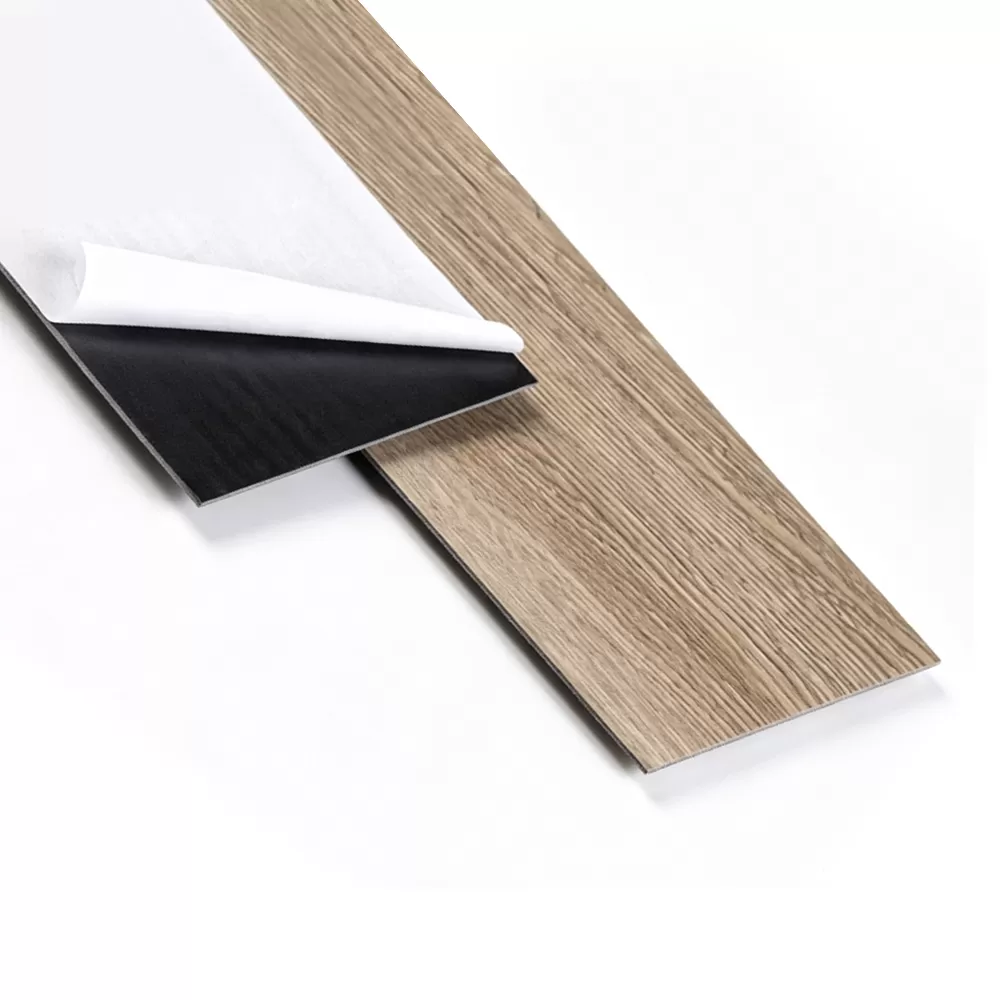
Even the highest quality resilient flooring can fail if installation parameters are overlooked. For commercial projects, systematic subfloor preparation is the most decisive factor in preventing issues.
Subfloor Flatness
For floating click-lock installations, the subfloor must be level to within 3mm over a 3-meter radius (1/8 inch over 10 feet). If the subfloor is uneven, the click-lock joints will flex under foot traffic, leading to mechanical fatigue and eventual joint breakage.
Concrete Moisture and Acclimation
New concrete slabs must cure for at least 28 days and be tested for relative humidity (using the ASTM F2170 in-situ probe method) before installation. Even though the flooring is waterproof, excessive moisture emission from the slab can damage adhesives or create hydrostatic pressure that forces water through the joints. Acclimation of the flooring planks in the installation space for 48 hours is also required to ensure the materials stabilize to the operating temperature and humidity of the building.
FAQ Section
Q1: What prevents waterproof vinyl flooring from warping under standing water?
A1: The physical composition of the core layer is the primary factor. Because the core consists of inorganic materials—such as a polyvinyl chloride resin and calcium carbonate powder composite—it does not possess the cellular structure of wood or wood-pulp-based laminates. Consequently, it cannot absorb water molecules, ensuring that the planks do not swell, cup, or buckle even when submerged for extended periods.
Q2: Can SPC flooring be installed over existing radiant heating systems?
A2: Yes, SPC is highly compatible with hydronic radiant heating systems due to its high density and heat-conductive properties. However, the system's operating temperature should not exceed 27°C (80°F) to prevent thermal stress on the core material. It is also recommended to use click-lock floating installations rather than glue-down methods for these applications to allow for natural thermal movement.
Q3: What is the difference between a 12 mil and a 20 mil wear layer in commercial environments?
A3: The "mil" is a unit of measurement equal to one-thousandth of an inch (approx. 0.0254mm). A 12 mil (0.3mm) wear layer is engineered for residential use and light-traffic commercial zones. A 20 mil (0.5mm) or 28 mil (0.7mm) wear layer is required for heavy commercial traffic, such as in retail spaces, offices, and clinics, providing the necessary thickness to resist deep scratching and premature wear over a ten-to-fifteen-year lifecycle.
Q4: How does EIR embossing affect the slip resistance of the floor?
A4: Embossing in Register (EIR) creates a textured surface that matches the visual print. This physical texture increases the dynamic coefficient of friction (DCOF) of the plank, helping the product meet or exceed the standard slip-resistance ratings (such as R10 or Class DS under European standards). This is particularly valuable in wet-prone commercial zones like entryways and dining areas.
Q5: What environmental certifications should a B2B buyer look for when importing resilient floors?
A5: Buyers should verify that the manufacturer holds FloorScore or GREENGUARD Gold certifications. These third-party certifications guarantee that the flooring meets strict emission limits for volatile organic compounds (VOCs), such as formaldehyde and acetaldehyde, ensuring safe indoor air quality in schools, hospitals, and residential spaces.
Inquiries and Technical Consultations
For commercial developers, importers, and contractors, selecting the correct material specifications is the key to preventing post-installation claims and ensuring long-term wear performance. When sourcing waterproof vinyl flooring for high-traffic environments, partnering with an experienced manufacturer that offers customizable formulations can significantly lower project costs.
If you require detailed structural datasheets, physical samples, or custom manufacturing solutions for your next multi-family or commercial development, please reach out to the contract division of TAB Flooring. Our engineering team can assist you in drafting exact project specifications to meet your local building code requirements.